


What's Happening?
The ongoing conflict in Ukraine continues to strain Russian military resources, with significant challenges in staffing new military units. Reports indicate that Russian forces may have conducted an Oreshnik missile strike against Lviv Oblast, though
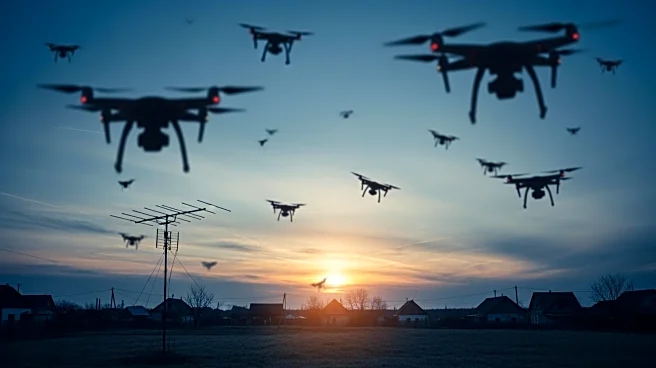
this remains unconfirmed by Ukrainian officials. The Russian military is reportedly creating new units, such as the 1244th Guards Artillery Brigade, but faces difficulties in staffing them to full strength due to high losses in Ukraine. Additionally, the U.S. Coast Guard recently seized the Russian-flagged Bella-1 oil tanker, linked to efforts to evade sanctions against Venezuela. The tanker, owned by a Russian company, was reportedly involved in transporting sanctioned oil. Meanwhile, the United Kingdom has provided Ukraine with air defense systems to counter Russian missile and drone strikes targeting Ukrainian infrastructure.
Why It's Important?
The developments highlight the ongoing challenges faced by Russia in sustaining its military operations in Ukraine. The staffing issues within the Russian military could impact its ability to maintain prolonged offensive operations, potentially altering the dynamics of the conflict. The seizure of the Bella-1 tanker underscores the international community's efforts to enforce sanctions and limit Russia's economic maneuvers. The provision of air defense systems by the UK to Ukraine signifies continued Western support, which could bolster Ukraine's defensive capabilities and influence the conflict's trajectory. These actions collectively reflect the broader geopolitical tensions and the international community's stance on the conflict.
What's Next?
The situation in Ukraine is likely to remain volatile, with potential for further military escalations. Russia's staffing challenges may lead to strategic adjustments or increased reliance on alternative tactics. The international community, particularly Western nations, may continue to enhance support for Ukraine, potentially through additional military aid or diplomatic efforts. The enforcement of sanctions and monitoring of Russian economic activities will likely persist, aiming to curtail Russia's ability to sustain its military operations. The conflict's progression will depend on these multifaceted interactions and the responses from involved stakeholders.
Beyond the Headlines
The conflict in Ukraine has broader implications for international law and the global order. Russia's actions, including the alleged missile strikes and sanctions evasion, raise questions about adherence to international norms and the effectiveness of global governance structures. The situation also highlights the role of military alliances and the strategic importance of air defense systems in modern warfare. The ongoing conflict may influence future military doctrines and international relations, particularly regarding the balance of power in Eastern Europe and the role of Western nations in regional conflicts.