




What's Happening?
Homeowners associations (HOAs) in North Carolina often inquire about transferring the maintenance responsibility of their private roads to the North Carolina Department of Transportation (NCDOT). While this is possible, the process is not straightforward
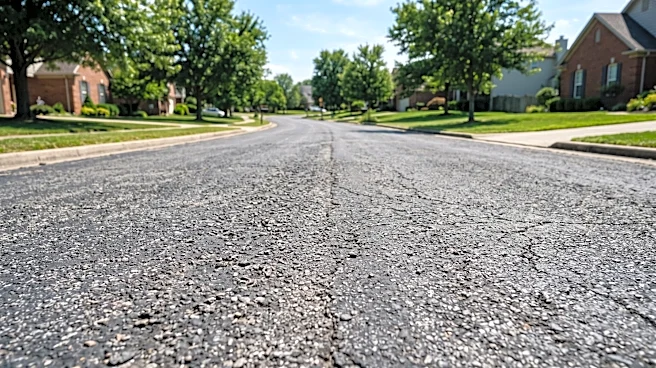
and can be costly. Many subdivision roads are private, either by design or because NCDOT has not formally accepted them into the state-maintained system. Even if a road is publicly used or dedicated for public use on a plat, NCDOT is not automatically responsible for its maintenance. To be considered for state maintenance, HOAs must contact their local NCDOT office, which evaluates factors like road location, number of homes served, rights-of-way, construction standards, and current road condition. NCDOT will inspect the roads and may require significant repairs or improvements, such as fixing deteriorated pavement, addressing drainage issues, or providing sufficient rights-of-way, before acceptance. The costs for these improvements typically fall to the HOA.
Why It's Important?
This issue is significant for U.S. HOAs and their residents, particularly in states like North Carolina, as road maintenance can be one of the most substantial financial burdens for these communities. The potential for HOAs to incur hundreds of thousands of dollars in repair costs to meet NCDOT standards can lead to increased assessments for homeowners, impacting property values and financial planning. The complexity of the transfer process highlights the need for HOAs to proactively plan for road maintenance and understand their governing documents. It also underscores the broader challenge of infrastructure funding and responsibility, where the line between private and public maintenance can be blurred, affecting local government budgets and community development strategies.
What's Next?
For HOAs considering transferring their roads to NCDOT, proactive planning is critical. Boards should investigate the process before roads reach a state of severe deterioration, as waiting can lead to limited options and substantial financial strain. This involves obtaining a clear understanding of required improvements and their anticipated costs, potentially through an engineering evaluation. Once NCDOT accepts the roads, maintenance responsibility generally shifts to the state, but HOAs may still retain obligations for private stormwater facilities, landscaping, or entrance monuments. HOAs must also understand that state acceptance means relinquishing some control, as features like private parking regulations or gates may be inconsistent with state maintenance requirements. This process necessitates careful legal and financial consultation for HOAs.
Beyond the Headlines
The challenge of private road maintenance in HOAs reflects a broader trend in U.S. suburban development, where developers often build infrastructure that is initially private, with the expectation that it may eventually be adopted by public entities. This creates a deferred cost for homeowners and local governments. The NCDOT's stringent requirements for road acceptance highlight public safety and quality standards, but also expose the financial vulnerabilities of HOAs that may not have adequately planned for long-term infrastructure upkeep. This situation can lead to inequities, where some communities bear significant costs for essential services that are publicly funded elsewhere. It also raises questions about the long-term sustainability of private infrastructure models and the need for clearer guidelines or support mechanisms for HOAs to manage these critical assets.