





What's Happening?
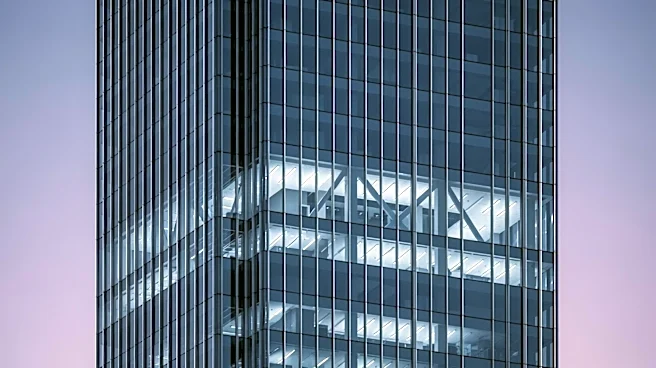
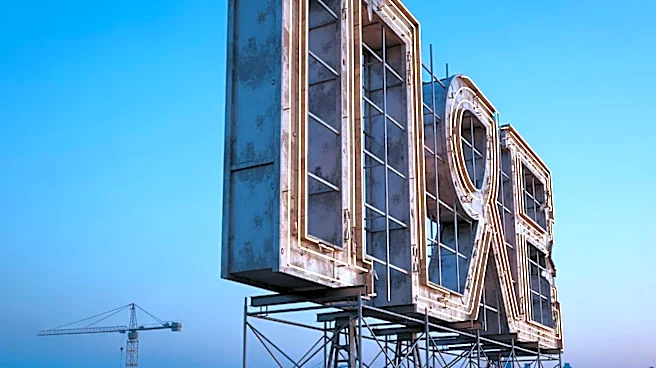
Skyscrapers, known for their towering heights and impressive facades, often contain hidden floors that are crucial for their stability and functionality. These floors, which include mechanical plant floors, structural transfer levels, and fire refuge
floors, are not visible to the public and are typically omitted from floor numbering. According to Zaeem Chaudhary, a director and chartered architectural technologist, these hidden floors are more common than most people realize and are essential for engineering and safety reasons. They house critical systems such as heating, ventilation, electrical equipment, and water infrastructure, which are distributed throughout the building to ensure efficient operation. In megatall towers like the Burj Khalifa, these systems are spread across multiple levels to accommodate the necessary equipment. Structural transfer floors, which are filled with beams and load-distribution systems, and outrigger and belt-truss systems, which increase stiffness and reduce sway, are also part of this hidden infrastructure.
Why It's Important?
The hidden floors in skyscrapers play a vital role in the safety and functionality of these structures. As cities become denser and populations rise, the need for efficient and sustainable tall buildings increases. These hidden floors allow skyscrapers to function as 'vertical cities,' where power, water, and climate control must operate seamlessly across great heights. The design and engineering of these floors are crucial in reducing energy consumption and improving building performance, which is essential given that buildings and construction account for a significant portion of global CO2 emissions. The integration of advanced technologies and renewable systems in these hidden floors is a response to the growing demand for sustainable urban development.
What's Next?
As urban areas continue to grow, the demand for taller and more efficient buildings will likely increase. Architects and engineers will need to focus on innovative designs that incorporate sustainable practices and advanced technologies to meet these demands. The development of new materials and construction techniques could further enhance the functionality and efficiency of hidden floors in skyscrapers. Additionally, as fire safety regulations evolve, the design of refuge floors and other safety features will need to adapt to ensure the safety of occupants in these tall structures.
Beyond the Headlines
The presence of hidden floors in skyscrapers highlights the complexity and sophistication of modern architectural and engineering practices. These floors not only support the physical structure of the building but also contribute to its environmental sustainability and safety. The integration of such hidden infrastructure reflects a broader trend in urban development towards creating more resilient and adaptable cities. As technology advances, the role of these hidden floors may expand, potentially incorporating smart building technologies and real-time monitoring systems to further enhance the efficiency and safety of skyscrapers.