









What's Happening?
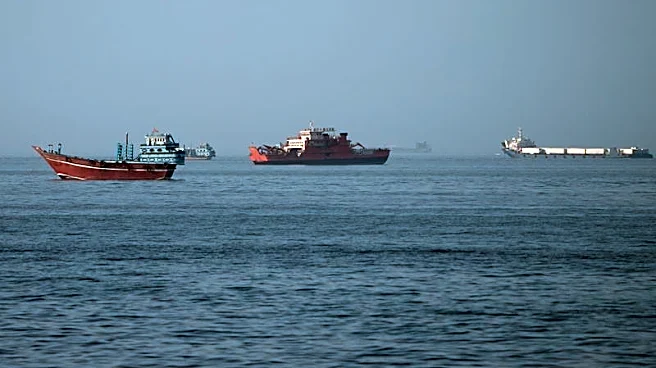
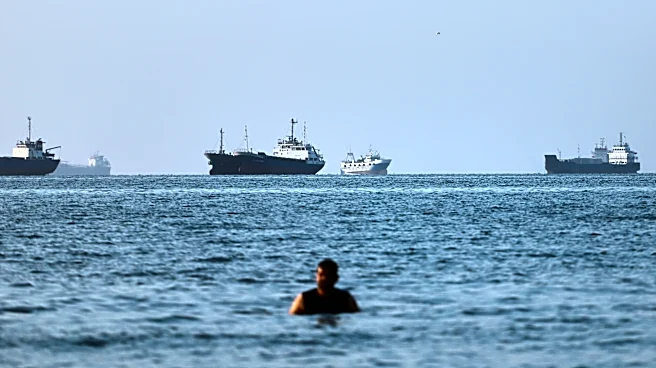
The International Energy Agency (IEA) has projected a significant surplus in the global oil market by 2027, following a recent agreement between the U.S. and Iran. This agreement, which ends a three-month conflict, includes the reopening of the Strait
of Hormuz by Iran and the lifting of a U.S. naval blockade. This development is expected to restore over 14 million barrels per day of Middle East oil output that had been disrupted. The IEA's report suggests that if the agreement holds, there will be a gradual recovery in oil exports and production from the Gulf region, particularly as Iranian oil exports resume. The agency anticipates a surge in global oil supply by 8 million barrels per day, while demand is expected to increase by only 2 million barrels per day, leading to a significant supply overhang.
Why It's Important?
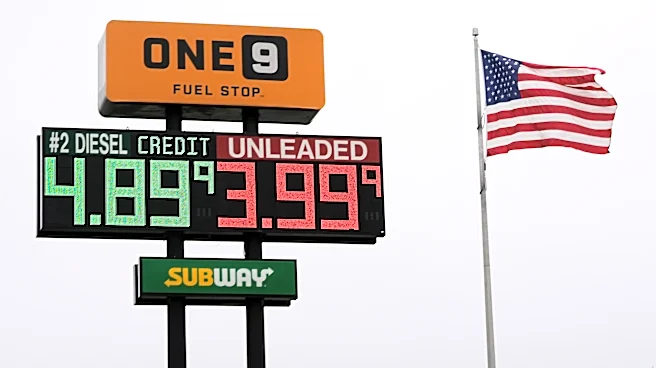
The resolution of the U.S.-Iran conflict and the subsequent reopening of the Strait of Hormuz are pivotal for the global oil market, as they alleviate one of the largest oil supply disruptions in history. The anticipated surplus in oil supply could stabilize global oil prices, benefiting industries reliant on oil and potentially reducing energy costs for consumers. However, the surplus also poses challenges, such as the need for countries to manage excess supply and consider strategic reserves. This development could influence energy policies and strategies worldwide, as nations reassess their energy security and economic dependencies on oil.
What's Next?
As the oil market adjusts to the anticipated surplus, countries may focus on replenishing depleted inventories and building strategic reserves. The agreement's success hinges on the continued cooperation between the U.S. and Iran, and any deviation could impact the recovery trajectory. Additionally, oil-producing nations may need to negotiate production levels to prevent further market imbalances. The IEA's forecast will likely prompt discussions among global energy stakeholders about sustainable energy practices and diversification away from oil dependency.