




What's Happening?
The UK government is planning to enhance protections for disabled air passengers by eliminating the maximum compensation limit for lost or damaged wheelchairs. This move is part of broader changes aimed at strengthening passenger rights during air travel.
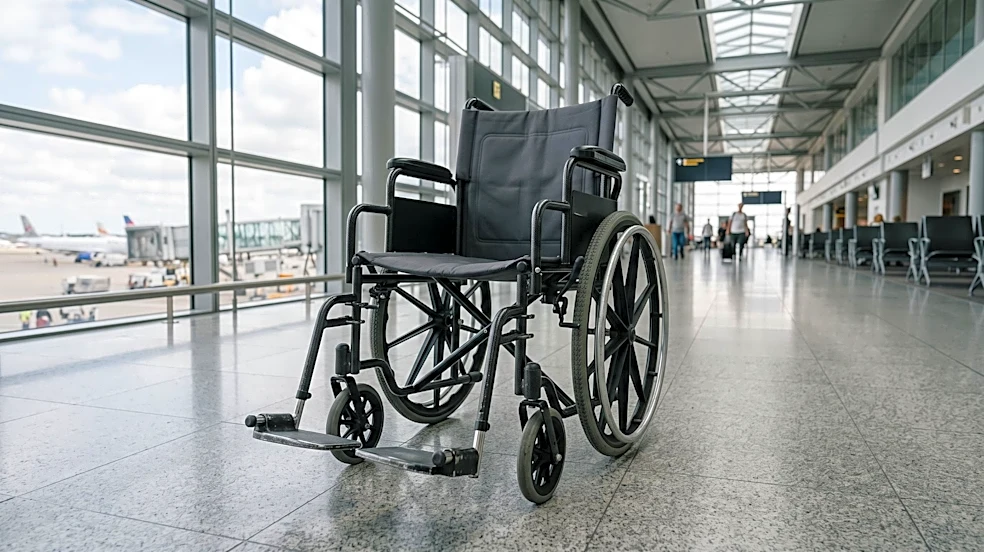
The aviation regulator is also set to receive new powers, enabling it to fine airlines and airports that fail to provide necessary assistance to passengers, as reported by The Guardian. These planned changes are incorporated into the Civil Aviation Bill, which is currently under parliamentary review. The Department for Transport has indicated that airports have already improved staff training, and a new standardized system has been developed for airlines to better manage mobility aids. These measures come in response to a significant number of incidents, with over 1,000 wheelchairs damaged during transport in 2024, averaging more than 80 per month.
Why It's Important?
This initiative is crucial for improving the travel experience and ensuring dignity for passengers with disabilities. The current compensation caps often fall far short of the actual cost of specialized wheelchairs, which can be extremely expensive and custom-fitted, making their damage or loss a significant personal and financial burden. By removing these caps, the UK government aims to hold airlines and airports more accountable for the safe handling of essential mobility equipment. The empowerment of the aviation regulator to issue fines will provide a stronger enforcement mechanism, incentivizing better service and care for disabled passengers. This policy change could set a precedent for other countries to review and strengthen their own regulations regarding accessibility and compensation in air travel, promoting a more inclusive global travel industry.
What's Next?
The proposed changes are part of the Civil Aviation Bill, which is currently progressing through Parliament. If passed, the bill will grant the aviation regulator enhanced powers to penalize airlines and airports for non-compliance with assistance requirements. The Department for Transport expects these measures, alongside improved staff training and standardized handling systems for mobility aids, to significantly reduce incidents of damaged wheelchairs and improve overall service for disabled passengers. Industry organizations and advocacy groups will likely monitor the implementation and effectiveness of these new regulations closely. Continued dialogue between airlines, airports, regulators, and disability rights organizations will be essential to ensure the successful execution of these reforms and to address any emerging challenges.
Beyond the Headlines
Beyond the immediate impact on compensation and regulatory enforcement, this policy shift reflects a growing societal recognition of the rights and needs of individuals with disabilities. It underscores the principle that accessibility is not merely a convenience but a fundamental right, particularly in essential services like air travel. The high number of damaged wheelchairs highlights systemic issues within the aviation industry regarding the handling of specialized equipment and the training of personnel. This reform could prompt a broader re-evaluation of operational procedures and infrastructure investments across the travel sector to better accommodate diverse passenger needs. It also emphasizes the power of advocacy groups in driving legislative change, pushing for policies that promote inclusivity and challenge existing barriers for disabled individuals in public life.