


What's Happening?
Idaho election officials will conduct audits in Latah and Bannock counties after both initially underreported ballots in the recent election. Idaho State Controller Brandon Woolf randomly selected these counties, among others, for audits required by a 2022
state law designed to verify the accuracy of election results. Secretary of State Phil McGrane addressed the unusual circumstances, noting that Latah County officials found over 2,300 early voting ballots that had not been reported on Election Day, leading to a full recount as a cautionary measure. In Bannock County, 333 uncounted ballots were discovered in a poll volunteer's pickup truck. While officials stated that these late ballots did not change the outcomes of any races, the incidents raised questions among voters. McGrane attributed the Latah County issue to human error, where a memory device from a voting machine was not properly integrated into the system for loading results. The audits will involve hand-counting a random selection of thousands of ballots in each county to compare them with publicly reported results. The results from last week's election remain unofficial until certified by the State Board of Canvassers on November 24.
Why It's Important?
The decision to audit Latah and Bannock counties is crucial for maintaining public trust in Idaho's electoral process, especially after instances of underreported votes. While officials have stated that the discrepancies did not alter election outcomes, the incidents highlight potential vulnerabilities in election administration and the importance of robust verification mechanisms. The audits, mandated by state law, serve as a critical safeguard to ensure the accuracy and integrity of election results. For voters, these audits provide reassurance that their ballots are counted correctly and that any errors are identified and rectified. For election officials, the incidents underscore the need for continuous improvement in training, procedures, and technology to prevent human error and ensure all votes are accurately reported. The transparency of the audit process, which is open to public observation, further reinforces accountability and confidence in the democratic system.
What's Next?
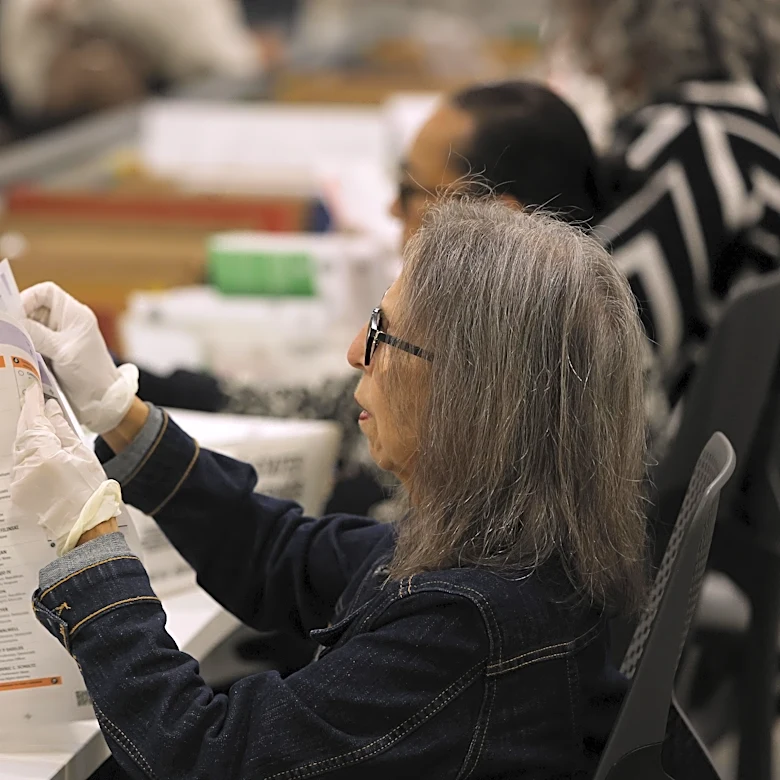
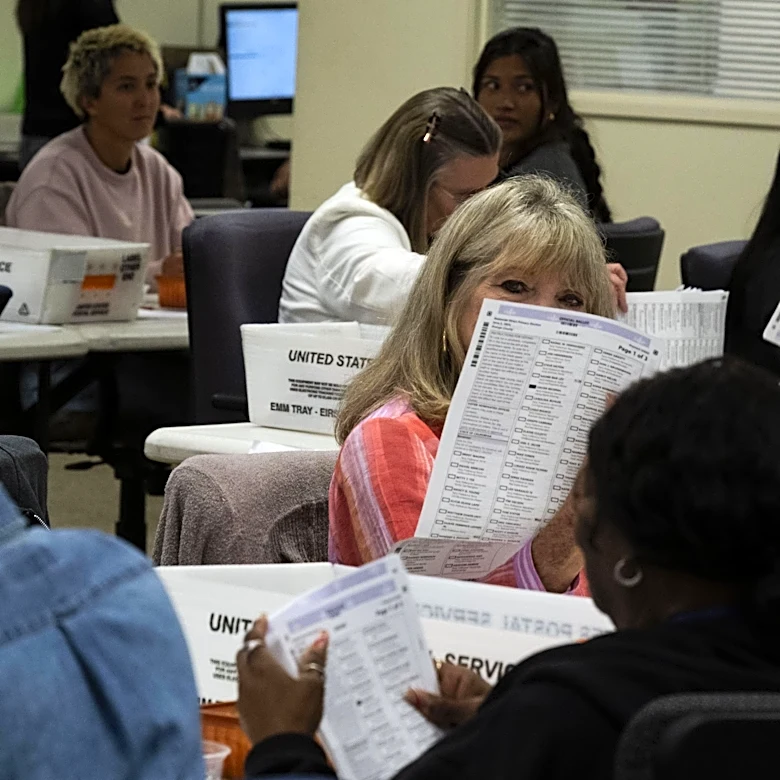
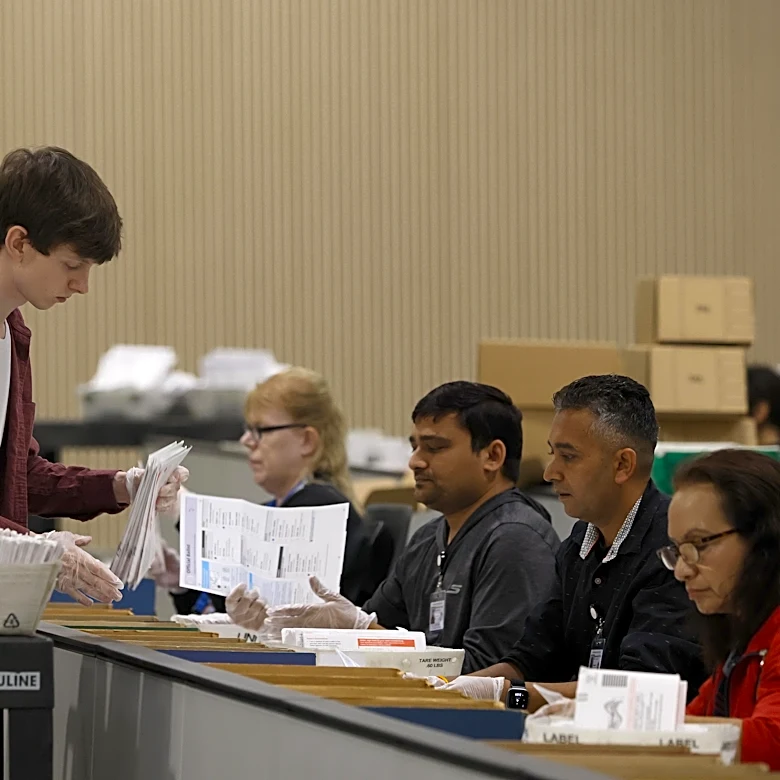
Over the next week, officials from the Idaho Secretary of State's Office will conduct the audits in the selected counties, including Latah and Bannock. These audits will involve hand-counting a random selection of at least 2,100 ballots, or 5% of precincts, from Election Day, early, and absentee votes. Secretary McGrane will determine which specific races will be audited in each county. The dates for these audits will be announced soon, and they will be open to public observation, emphasizing transparency. The State Board of Canvassers is scheduled to certify the unofficial election results on November 24, following the completion of these audits. Lessons learned from the underreporting incidents in Latah and Bannock counties are expected to lead to a review of existing safeguards and the implementation of additional steps to prevent similar occurrences in future elections.
Beyond the Headlines
The underreporting of votes in Latah and Bannock counties, even if not outcome-determinative, taps into broader national concerns about election integrity and the challenges of administering complex electoral systems. The incidents, attributed to human error and logistical oversights, highlight the fragility of trust in democratic processes when such errors occur. This situation could fuel ongoing debates about the balance between election security measures, voter access, and the practicalities of managing elections at the local level. It also underscores the importance of continuous investment in election infrastructure, training for poll workers, and clear protocols for handling and reporting ballots. The public nature of the audits and the commitment to learning from these mistakes are vital for reinforcing the foundational principles of fair and accurate elections, especially in an era where election skepticism can be easily amplified.