






What's Happening?
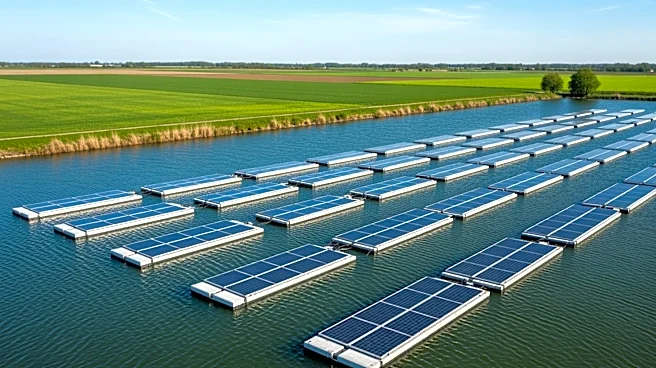
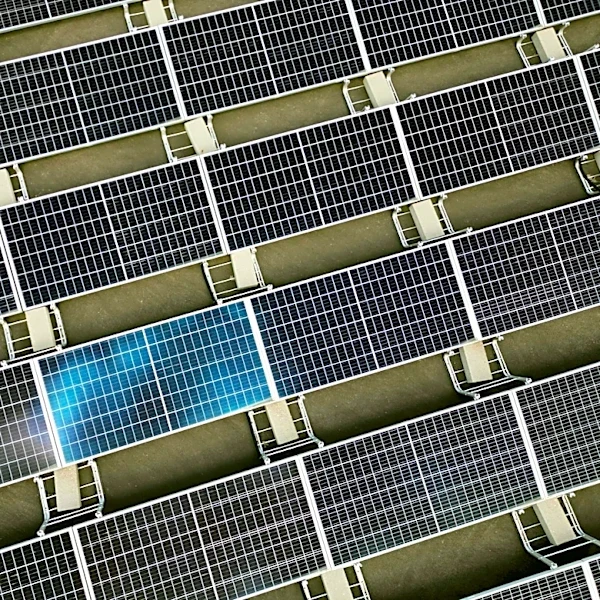
A new renewable energy initiative in Jackson County, Oregon, is gaining attention as the Medford Irrigation District implements a floating solar project. This project, the first of its kind in Oregon, involves placing nearly 1,800 solar panels across
irrigation ponds near Medford and Central Point. The initiative aims to generate electricity directly from existing water infrastructure, offering a sustainable energy solution without requiring additional land use. Supported by state and federal agencies, the project is seen as a potential model for rural regions facing challenges such as drought, water shortages, and increased energy demands. The floating solar system is expected to produce approximately two million kilowatt-hours annually, contributing to Oregon's community solar network and providing utility bill credits to participating residents and businesses.
Why It's Important?
The floating solar project is significant for Southern Oregon's economy, which is heavily reliant on agriculture. By reducing evaporation losses from irrigation ponds, the project could help preserve water supplies during peak summer months, addressing one of the region's most pressing economic concerns. Additionally, the energy generated will support the community solar program, offering potential savings for low-income households. This initiative represents a strategic investment in renewable infrastructure, aiming to stabilize utility costs for irrigation districts and reduce financial pressure on farmers. The project also aligns with national interests in expanding alternative energy systems in rural areas, supported by funding from the United States Department of Energy.
What's Next?
Water managers across Oregon are closely monitoring the Medford Irrigation District's floating solar project as a potential blueprint for future developments. If successful, similar projects could be implemented in other irrigation districts throughout Southern Oregon and other drought-prone regions. The initiative arrives at a time of economic uncertainty for agricultural producers, who face challenges such as inflation, labor shortages, and unpredictable weather. As rural communities adapt to changing environmental and economic conditions, technologies that conserve water and lower operational expenses will become increasingly important.