







What's Happening?
A study published in the International Journal of Infectious Diseases reveals that 84% of suspected dengue cases in the Valle Central de Chiapas, Mexico, in 2015 were actually chikungunya virus infections. Researchers retrospectively analyzed stored serum
samples from 80 patients who presented with dengue-like symptoms. Of these, 67 were confirmed to have chikungunya, with four co-infected with dengue. The genetic analysis of the virus also identified a variant specific to the region and a previously unreported genomic substitution, nsP3 H377P, in one of the samples. This substitution is located in a highly variable region of the nsP3 protein, which is crucial for viral replication. The study highlights the challenges of differential diagnosis between dengue and chikungunya due to overlapping symptoms, emphasizing the need for laboratory confirmation. The research team included investigators from the Universidad Autónoma del Estado de México, Instituto Politécnico Nacional, Instituto de Salud Carlos III of Spain, University of Texas Medical Branch in Galveston, and the University of Texas in El Paso.
Why It's Important?
This finding is significant for public health in regions where both dengue and chikungunya are endemic, including parts of the U.S. that share similar climate and mosquito vectors. Misdiagnosis can lead to inappropriate treatment, ineffective public health interventions, and a skewed understanding of disease prevalence. Accurate identification of circulating viruses is crucial for targeted prevention and control strategies. The discovery of a new genomic substitution and a regional variant of the chikungunya virus underscores the dynamic nature of viral evolution and the importance of continuous genomic surveillance. This information is vital for developing effective vaccines and antiviral treatments, as viral mutations can impact vaccine efficacy and drug resistance. For the U.S., particularly states bordering Mexico or those with high travel to affected regions, this research serves as a critical reminder for healthcare providers to consider chikungunya in patients presenting with dengue-like symptoms and to utilize comprehensive laboratory testing.
What's Next?
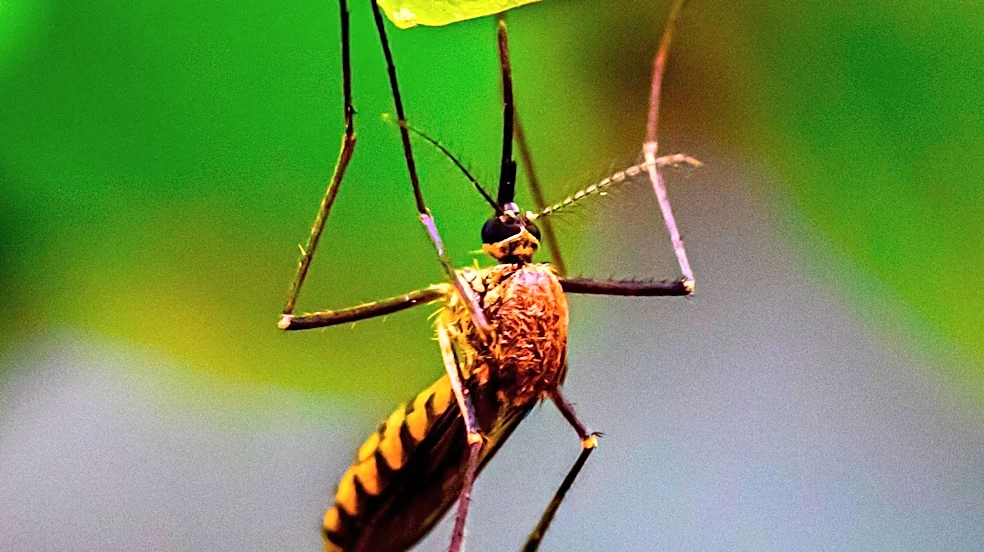
The authors of the study advocate for sustained genomic surveillance of the chikungunya virus in southern Mexico to monitor for further viral evolution and the emergence of new variants. This ongoing surveillance will be crucial for understanding the current epidemiological landscape and informing public health responses. Given that both dengue and chikungunya are transmitted by the Aedes aegypti mosquito, integrated vector control programs remain essential. Chiapas has already announced a laboratory to combat the mosquito using the Wolbachia method, which could be a key strategy in reducing transmission. Future research will likely focus on determining if the newly identified genomic substitution impacts disease severity or transmissibility and whether this variant has persisted in subsequent outbreaks. The findings also suggest a need for improved diagnostic protocols in clinical settings to ensure accurate and timely identification of these arboviral infections.
Beyond the Headlines
The study's findings highlight a broader issue in global health: the diagnostic challenges posed by diseases with similar clinical presentations, especially in resource-limited settings. The reliance on symptom-based diagnosis can lead to significant underreporting or misclassification of diseases, hindering effective public health responses. The identification of a novel genomic substitution, even without immediate implications for disease severity, underscores the constant evolutionary pressure on viruses and the potential for new strains to emerge with altered characteristics. This necessitates a proactive approach to viral research and surveillance, moving beyond immediate outbreak responses to anticipate and prepare for future threats. The collaboration between Mexican, Spanish, and U.S. institutions in this research also exemplifies the critical role of international scientific cooperation in addressing global health challenges, particularly those that transcend national borders due to shared ecological factors and human mobility.