







What's Happening?
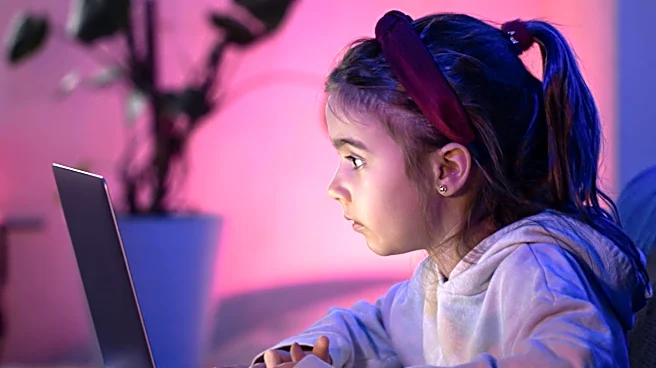
Henrico County Public Schools (HCPS) is introducing new, stricter screen time limits for elementary school students and prohibiting digital homework, effective this school year. According to Kourtney Bostain, HCPS Director of Innovation, this marks a significant
shift for a district that was a pioneer in school-used technology, having provided individual laptops to high school students since 2001. The new guidelines mandate daily technology use limits ranging from 15 minutes for pre-kindergarten to 90 minutes for grades 3-5. Additionally, Chromebooks and iPads will remain at school, and all homework for elementary students will be offline. The changes are outlined in a draft 'HCPS Digital Wellness Guide' developed through focus groups with educators and parents, incorporating research from the American Pediatric Association. The district will also remove YouTube access on school-issued devices for elementary and middle schoolers, and restrict games like Roblox and Minecraft Education.
Why It's Important?
This policy change by Henrico Schools is important as it reflects a growing concern among parents and educators regarding excessive screen time for young children. The move away from a 'one-to-one' device model in elementary schools, which was once seen as innovative, signals a re-evaluation of technology's role in early education. While some parents advocate for even less technology, others, like Varina District representative Alicia Atkins, express concerns about widening equity gaps for students who rely on school-issued devices for technology access at home. The decision to limit screen time and digital homework could influence other school districts grappling with similar issues, potentially leading to a broader re-assessment of technology integration in elementary education across the U.S. The emphasis on 'purposeful and developmentally appropriate' technology use highlights a shift towards quality over quantity in educational technology.
What's Next?
Educators in Henrico Schools will receive training on the new Digital Wellness Guide this week, with the guide being released to students and families during the first week of school. HCPS staff will continue to develop the guide and hold quarterly focus groups with parents and educators. School board members have also requested that HCPS staff consider implementing screen time limits for middle and high school students in the future. The impact of these new policies on student learning, engagement, and the digital divide will likely be closely monitored. The district's experience could serve as a case study for other educational institutions considering similar measures, potentially leading to further discussions and policy adjustments regarding technology use in schools nationwide.
Beyond the Headlines
The Henrico Schools' decision delves into the broader societal debate about the impact of technology on child development and education. It challenges the long-held assumption that more technology in schools automatically equates to better learning outcomes, especially for younger children. The policy implicitly acknowledges the potential negative effects of excessive screen time, such as reduced emotional development and increased digital dependency, as highlighted by parents' concerns about their children 'embracing being children.' This move could spark a re-evaluation of educational technology strategies, encouraging a more balanced approach that prioritizes hands-on learning and social interaction. It also raises ethical questions about equitable access to technology outside of school for disadvantaged students, and how schools can mitigate potential disparities while still promoting digital wellness.