
What's Happening?
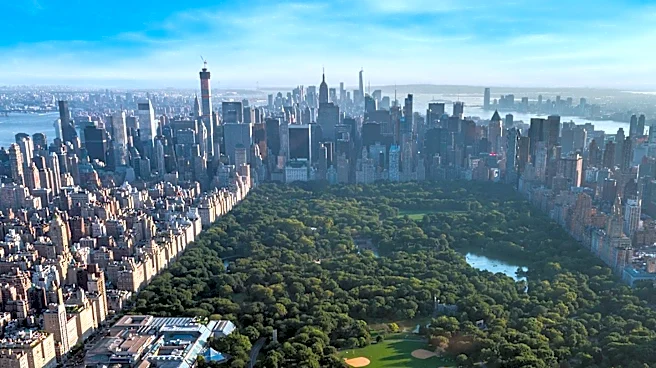
New York City has launched its first Urban Forest Plan (UFP), a comprehensive strategy aimed at expanding the city's tree canopy coverage to 30% by 2040. This initiative, led by the Mayor’s Office of Climate
& Environmental Justice (MOCEJ) in collaboration with NYC Department of Parks & Recreation and several conservancy groups, seeks to add an average of 700 acres of tree canopy annually for the next 14 years. The plan focuses on preserving existing trees on both public and private land, planting new ones, and engaging the community in stewardship. Currently, New York City's tree canopy covers 23.4% of its land, with significant disparities across boroughs; Staten Island has 33.4%, while Brooklyn and Manhattan each have 19.5%. Environmental Justice (EJ) communities, which often face higher pollution levels, have a lower average canopy coverage of 19% compared to 26% in non-EJ areas.
Why It's Important?
This Urban Forest Plan is a critical component of New York City's long-term climate resiliency strategy, directly addressing the escalating impacts of climate change, such as hotter summers and increased flooding. Trees offer numerous environmental benefits, including lowering air and surface temperatures by up to 6°F in forested areas, improving air quality by removing 1,100 tons of pollution annually, sequestering 51,000 tons of carbon, and managing stormwater runoff. Beyond environmental advantages, increased tree canopy has significant public health benefits, reducing acute respiratory illnesses, heat-related deaths, and positively impacting mental health. The plan's focus on equitable distribution is crucial, as EJ communities currently suffer from lower canopy coverage, making them more vulnerable to environmental hazards. This initiative represents a proactive step towards creating a more livable, resilient, and equitable city for all New Yorkers.
What's Next?
The implementation of the Urban Forest Plan will involve cultivating new stewards for the urban forest, strengthening volunteer stewardship practices, and expanding urban forestry-related job opportunities. The plan aims to move beyond previous initiatives, like the MillionTreesNYC program, by emphasizing long-term maintenance and protection of trees, not just planting. Success will depend on sustained collaboration between city agencies, non-profits, and community members. Regular assessments of canopy coverage and the plan's impact, particularly in EJ communities, will be necessary to ensure equitable progress. The city will need to secure consistent funding and resources to meet the ambitious goal of adding 700 acres of tree canopy each year. This long-term commitment will require ongoing public awareness campaigns and educational programs to foster a culture of environmental stewardship among residents.
Beyond the Headlines
The Urban Forest Plan signifies a deeper understanding of the interconnectedness between urban development, environmental health, and social equity. By explicitly addressing the disparities in tree canopy coverage in Environmental Justice communities, the plan acknowledges that climate solutions must also be social justice solutions. This holistic approach recognizes that a greener city is not just aesthetically pleasing but is fundamental to public health, economic stability, and community well-being. The plan's emphasis on long-term stewardship over mere planting reflects a shift towards sustainable urban ecology, recognizing that trees are living infrastructure requiring ongoing care. This initiative could serve as a model for other global megacities grappling with climate change, demonstrating how integrated urban planning can create more resilient and equitable environments, fostering a deeper connection between city dwellers and nature.