
What's Happening?
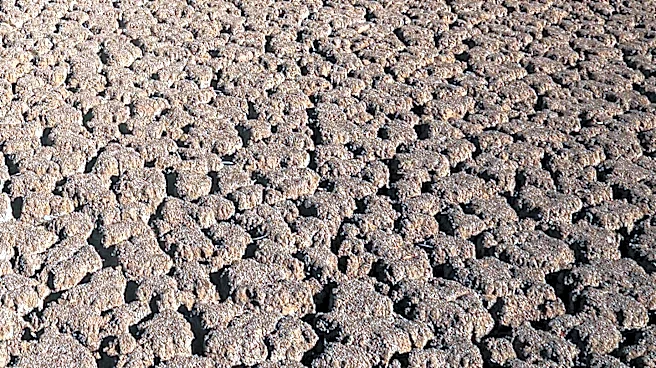
Farmers in the UK are warning that this year's harvest could be the worst on record due to exceptionally dry weather conditions. The Met Office reports that England and Wales experienced their driest July since records began 190 years ago, leading to a declared
drought across large parts of the country. The Energy and Climate Intelligence Unit (ECIU) estimates that the UK's cereals and oilseed harvest could be 2.5 million tonnes less than earlier forecasts. This shortfall is expected to result in 'shrinkflation,' where consumers will see smaller vegetables at the same price in supermarkets. The harvest of key crops like barley, oats, and rapeseed, crucial for food and livestock feed, is projected to drop significantly, impacting the entire food chain.
Why It's Important?
The anticipated reduction in crop yields and the resulting shrinkflation have significant implications for both consumers and the agricultural sector. Higher prices and smaller produce could strain household budgets, particularly affecting low-income families. For farmers, the reduced harvest means substantial financial losses, estimated at £390 million in lost revenue. This situation underscores the vulnerability of agriculture to climate variability and the need for adaptive strategies to mitigate such impacts. The broader economic implications could include increased food prices and potential supply chain disruptions.
What's Next?
In response to these challenges, farmers and policymakers may need to explore adaptive measures such as drought-resistant crop varieties and improved water management practices. The situation could also prompt discussions on agricultural subsidies and support mechanisms to help farmers cope with climate-induced losses. As the effects of climate change become more pronounced, there may be increased pressure on governments to implement policies that address both mitigation and adaptation strategies in the agricultural sector.