







What's Happening?
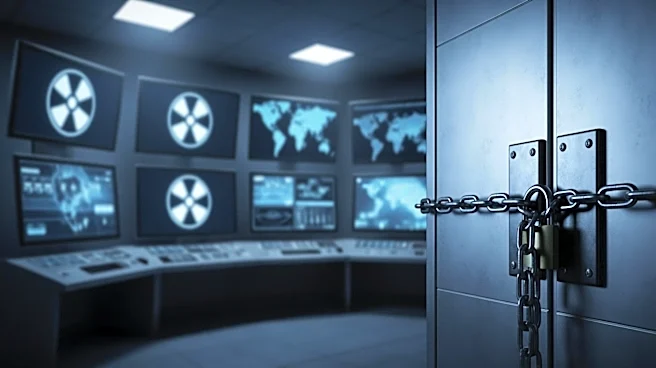
Iran has experienced its fifth internet blackout, the longest in the world, affecting communication and economic activities. The blackout, imposed during anti-regime uprisings and wars, has severe economic consequences, costing the country $80 million
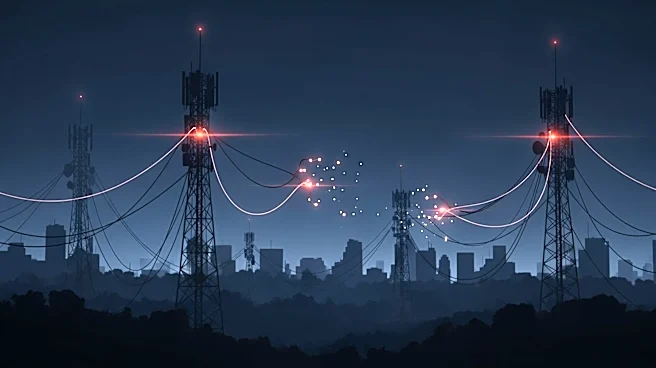
daily. Iranian businesses, particularly those relying on social media platforms like Instagram, have been hit hard. The blackout also impacts the Iranian diaspora, cutting off communication with family and friends. While some internet access has been restored, the threat of future shutdowns remains. New technologies like direct-to-cell (D2C) offer potential solutions, but face regulatory challenges.
Why It's Important?
Internet blackouts in Iran highlight the regime's control over information and its impact on human rights and economic stability. These shutdowns not only suppress dissent but also hinder economic growth and international communication. The development of technologies like D2C could provide Iranians with more reliable access to the internet, challenging the regime's control. However, international cooperation and regulatory support are needed to implement these solutions. The situation underscores the importance of internet freedom and the role of technology in supporting human rights and economic development.