







What's Happening?
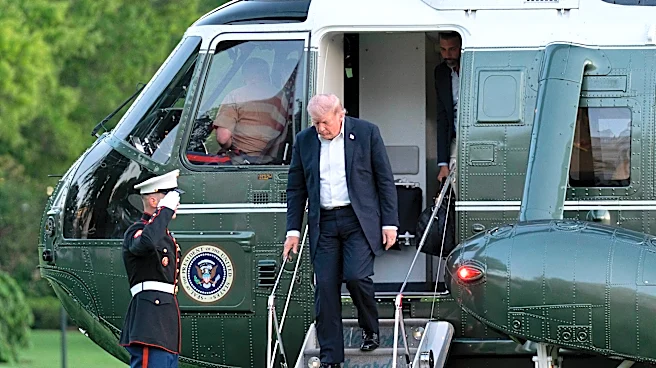
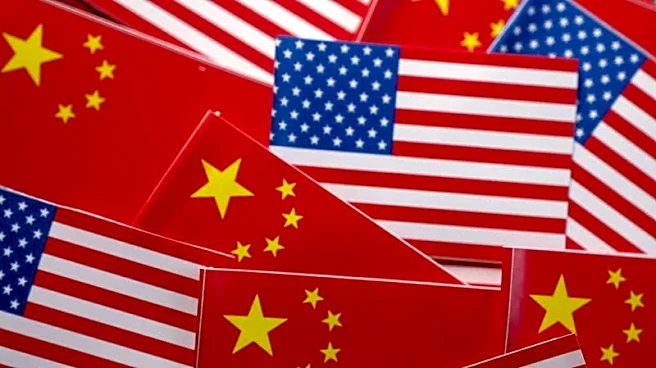
President Trump is set to meet with China's President Xi Jinping in Beijing on May 14-15, amidst a significant policy shift by China regarding U.S. sanctions. On May 2, China's Ministry of Commerce issued Announcement No. 21, which directs Chinese entities
to disregard U.S. sanctions related to trading with Iran. This move specifically targets Executive Orders 13902 and 13846, which sanction entities trading with Iran. The announcement comes as a prelude to the upcoming summit, signaling China's intent to challenge U.S. sanctions policies. The directive allows Chinese companies to sue for damages in Chinese courts if foreign entities comply with U.S. sanctions, marking a significant escalation in trade tensions.
Why It's Important?
This development is crucial as it represents a direct challenge to the U.S.'s ability to enforce its sanctions globally, particularly against Iran. By enabling Chinese companies to seek legal recourse against compliance with U.S. sanctions, China is asserting its economic sovereignty and setting a precedent that could influence other nations. This move could undermine the effectiveness of U.S. sanctions, potentially leading to a shift in global trade dynamics. It also highlights the growing economic rivalry between the U.S. and China, with potential implications for international trade policies and diplomatic relations.
What's Next?
The upcoming summit between President Trump and President Xi will likely address these tensions, with potential discussions on trade agreements and sanctions policies. The international community will be watching closely to see if this policy shift leads to broader changes in how countries respond to U.S. sanctions. Additionally, other nations may consider similar measures, potentially leading to a reevaluation of global trade and diplomatic strategies.