






What's Happening?
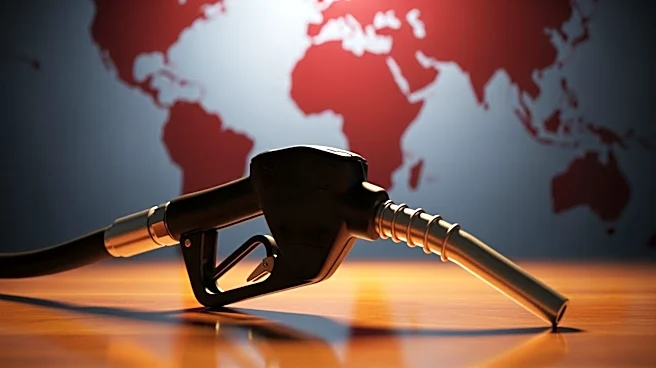
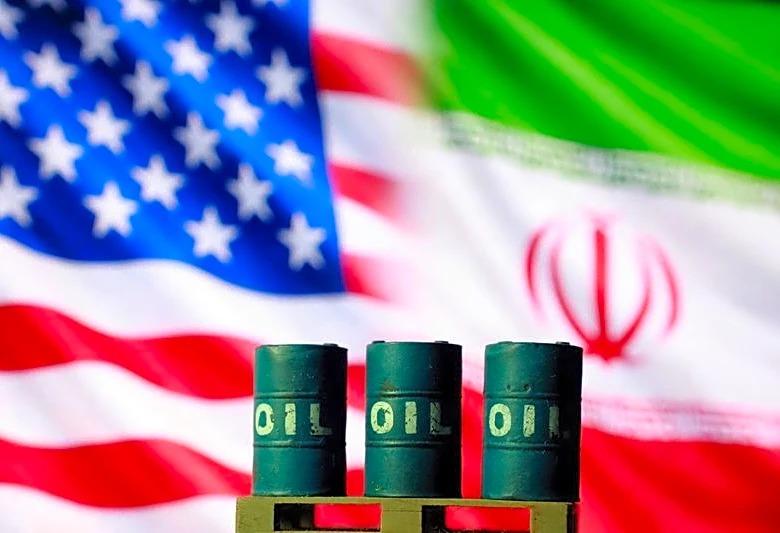
President Trump has indicated that gas prices in the United States may remain the same or increase slightly by the midterm elections. This statement comes amid ongoing tensions between the U.S. and Iran, which have significantly impacted global oil supply
chains. A recent two-week ceasefire between the U.S. and Iran has raised hopes for a decrease in gas prices, but no peace agreement has been reached. The U.S. Navy has implemented a blockade of Iranian ports in the Strait of Hormuz, a crucial oil passageway, further exacerbating supply disruptions. As a result, the national average gas price has risen to $4.12 per gallon, a 14% increase from the previous month.
Why It's Important?
The ongoing conflict and resulting disruptions in the oil supply chain have significant implications for the U.S. economy and consumers. Rising gas prices can lead to increased costs for transportation and goods, affecting household budgets and potentially slowing economic growth. The situation also poses a challenge for political leaders, as high gas prices can influence voter sentiment and impact the upcoming midterm elections. The blockade of the Strait of Hormuz, a vital route for global oil shipments, underscores the geopolitical risks associated with energy markets and the potential for further price volatility.
What's Next?
If the conflict between the U.S. and Iran continues without a resolution, gas prices may continue to rise, potentially reaching $5 per gallon by mid-May. This scenario could prompt further political and economic responses, including potential diplomatic efforts to de-escalate tensions or domestic measures to mitigate the impact on consumers. The situation remains fluid, with potential developments in peace negotiations or changes in military strategy that could alter the current trajectory of gas prices.