






What's Happening?
Austin Mayor Kirk Watson, alongside the Texas Department of Transportation (TxDOT) and other government entities, has launched the CTXGO app. This new application is designed to help residents and commuters in Central Texas navigate the significant road
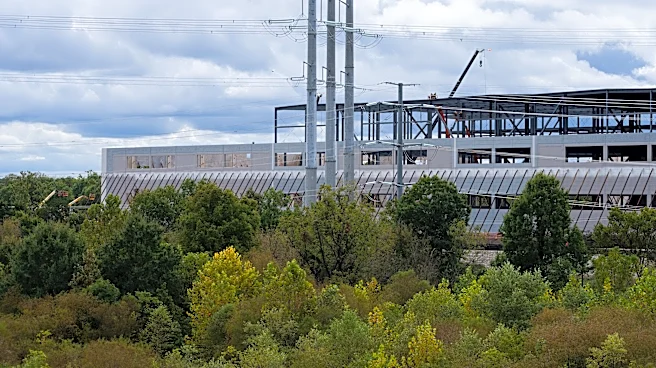
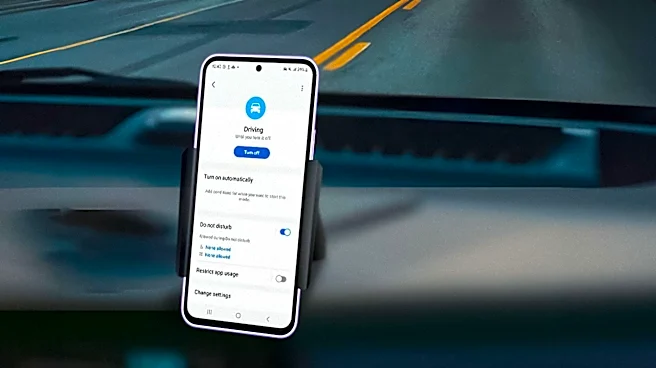
construction projects anticipated over the next decade. Described by Austin Transportation Director Richard Mendoza as a 'construction Armageddon,' these projects include the Interstate 35 expansion through central Austin. The CTXGO app serves as a centralized hub, providing real-time information on road conditions, lane closures, crash reports, and traffic cameras. Users can customize notifications for specific incidents or frequently used corridors and receive updates on new construction projects. The initiative is a collaborative effort by the Central Texas Construction Partnership Program, which includes the city of Austin, TxDOT, Capital Metro, the Austin Transit Partnership, and the Capital Area Metropolitan Planning Organization (CAMPO), aiming to coordinate construction schedules and public communication. Mayor Watson emphasized that while construction is an unavoidable inconvenience for improving mobility infrastructure, the app aims to 'ease the pain' and offer commuters more choices.
Why It's Important?
The launch of the CTXGO app is a significant development for the Austin metropolitan area, which is facing an unprecedented period of infrastructure development. The app's ability to consolidate information from multiple agencies into a single platform addresses a critical need for coordinated communication during extensive construction. This is particularly important for the local economy and daily life, as traffic congestion and delays can impact productivity, local businesses, and the overall quality of life for residents. By providing real-time data and trip planning tools, the app aims to mitigate the negative economic impacts of construction by helping commuters find more efficient routes and avoid prolonged delays. The collaboration between various governmental agencies underscores a commitment to regional planning and public service, setting a precedent for how large-scale urban development projects can be managed with public convenience in mind. The success of this app could serve as a model for other rapidly growing U.S. cities grappling with similar infrastructure challenges.
What's Next?
The immediate next step for the CTXGO app is its adoption and utilization by the Central Texas community. Users are encouraged to download the app from the Apple App Store, Google Play Store, or access it online at ctxgo.com, and to sign up for alerts tailored to their commuting patterns. The ongoing success of the app will depend on continuous updates to its data, ensuring accuracy and timeliness of information regarding road conditions, closures, and new construction projects. The Central Texas Construction Partnership Program will likely continue its coordination efforts to ensure that all participating agencies contribute relevant data to the platform. Furthermore, feedback from users will be crucial for future enhancements and improvements to the app's functionality and user experience. The long-term impact will be measured by its effectiveness in reducing traffic-related stress and delays for commuters throughout the extensive construction period, potentially influencing future urban planning and public communication strategies for infrastructure projects.
Beyond the Headlines
Beyond its immediate utility for traffic navigation, the CTXGO app represents a broader shift towards integrated digital solutions for urban management and public engagement. The collaborative nature of its development, involving multiple government agencies, highlights the increasing recognition that complex urban challenges require inter-agency cooperation and a unified approach to public communication. This initiative could foster greater transparency between government bodies and the public regarding infrastructure projects, potentially increasing public trust and reducing frustration often associated with large-scale construction. Ethically, the app's focus on providing 'choices' to commuters, as stated by Mayor Watson, underscores a commitment to empowering citizens with information to make informed decisions about their daily commutes, rather than simply dictating routes. This model of digital governance, where technology is leveraged to enhance civic participation and mitigate the inconveniences of urban development, could influence future policy-making in other U.S. cities facing similar growth and infrastructure demands.