





What's Happening?
The Eta Aquariid meteor shower, associated with Halley's Comet, is set to peak between May 5 and 6, providing a celestial spectacle for skywatchers. This annual event occurs as Earth passes through the debris left by Halley's Comet, resulting in meteors
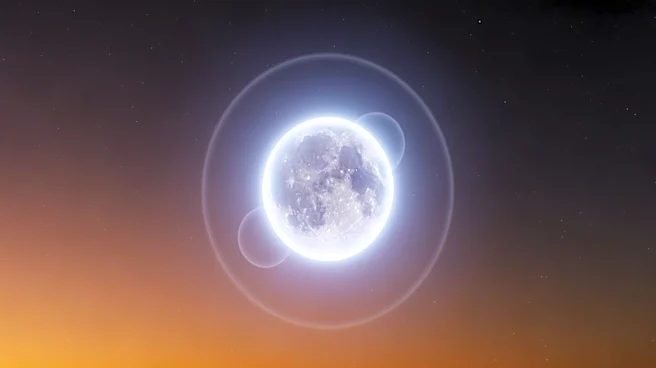
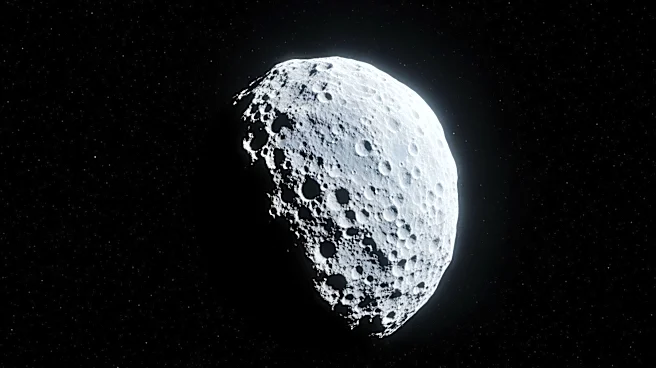
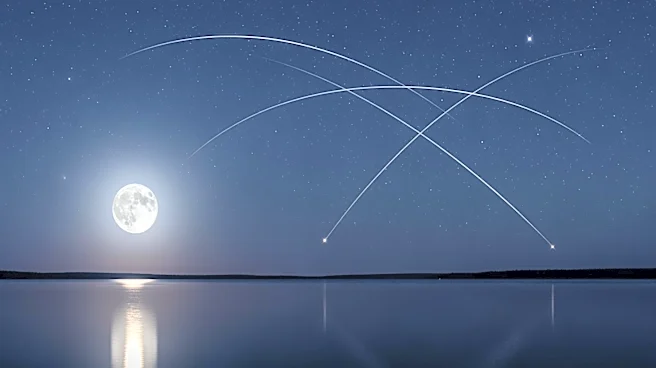
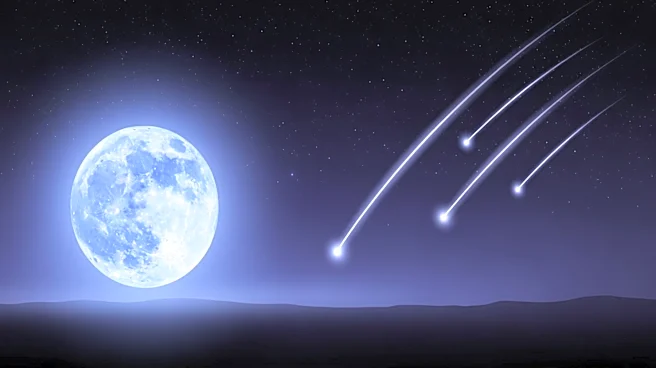
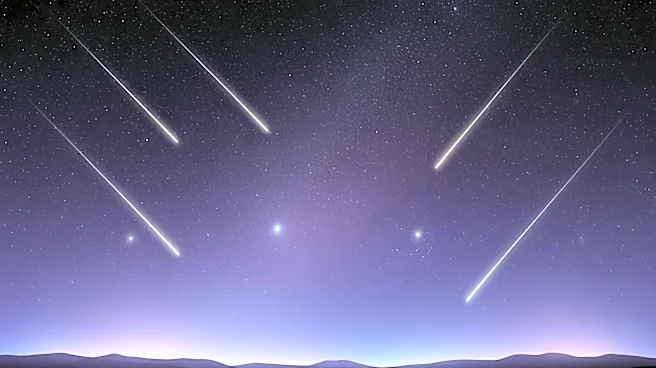
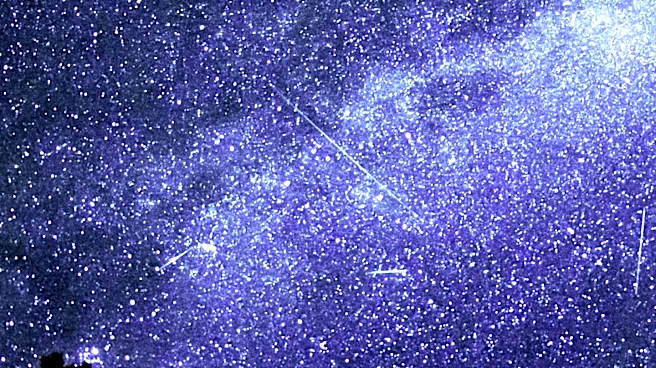
that appear as fast streaks with glowing trails. According to the American Meteor Society, observers in the Southern Hemisphere may witness up to 50 meteors per hour, while those in the Northern Hemisphere can expect between 10 and 30 meteors per hour. The meteors travel at speeds exceeding 40 miles per second, creating bright streaks of light as they enter Earth's atmosphere. The moon, in its waning gibbous phase, may reduce visibility, allowing fewer than 10 meteors per hour to be seen. The best viewing times are during the pre-dawn hours, and it is recommended to avoid looking directly at the moon to enhance visibility.
Why It's Important?
The Eta Aquariid meteor shower is a significant astronomical event that draws interest from both amateur and professional astronomers. It provides an opportunity for educational outreach and public engagement with astronomy, fostering a greater appreciation for celestial phenomena. The event also highlights the historical significance of Halley's Comet, which has been observed for over 2,000 years and was the first comet recognized as a repeat visitor to Earth's skies. This meteor shower serves as a reminder of the dynamic nature of our solar system and the ongoing interactions between celestial bodies. For many, it is a chance to connect with the natural world and experience the wonder of the universe.
What's Next?
The Eta Aquariid meteor shower will continue to be visible until May 28, offering multiple opportunities for observation. Skywatchers are encouraged to find locations with minimal light pollution and clear skies to maximize their viewing experience. As the event progresses, astronomers and enthusiasts will likely share observations and photographs, contributing to a broader understanding of the shower's characteristics. Additionally, the event may inspire further interest in upcoming celestial events, encouraging more people to engage with astronomy as a hobby or field of study.