






What's Happening?
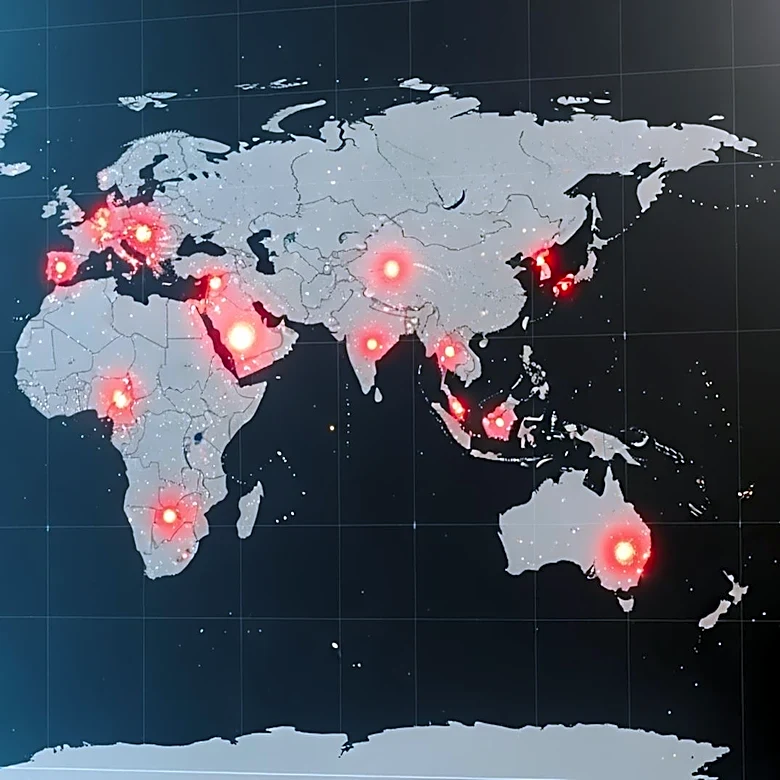
Australia has enacted a groundbreaking social media ban targeting users under the age of 16, effective December 10. This legislation mandates that social media platforms, including major players like Facebook, Instagram, TikTok, and YouTube, take steps
to deactivate existing accounts and prevent new account creation for users under 16. The law aims to protect young Australians from online risks and pressures, such as excessive screen time and harmful content. Despite the law's intentions, social media companies like Snapchat and Meta have criticized the ban, arguing it could isolate teens from their peers and push them towards less safe communication methods. The law includes exceptions for certain messaging, gaming, and professional networking apps. Companies failing to comply face fines up to $49.5 million AUD.
Why It's Important?
This ban represents a significant shift in how governments regulate social media usage among minors, potentially setting a precedent for other countries. The law is designed to address growing concerns about the mental health impacts of social media on young people, including anxiety and self-esteem issues. However, the ban has sparked a debate about the balance between protecting children and restricting their social interactions. Critics argue that the ban could lead to unintended consequences, such as increased use of unregulated platforms. The financial penalties for non-compliance underscore the seriousness of the Australian government's commitment to enforcing this law, which could influence global social media policies.
What's Next?
As the ban takes effect, social media companies are expected to implement measures to comply with the new regulations. The effectiveness of these measures will be closely monitored, and the law's impact on youth social media usage will be evaluated. Other countries, like Denmark, are considering similar bans, indicating a potential trend towards stricter regulation of social media for minors. The ongoing debate may lead to further discussions on alternative solutions, such as enhanced parental controls and age verification systems, to protect young users while maintaining their access to online communities.