






What's Happening?
Residents around the Shady Grove Transfer Station in Montgomery County, Maryland, are advocating for an alternative waste management strategy, dubbed 'Plan C,' as county officials consider the future of the Dickerson incinerator. County Executive Marc
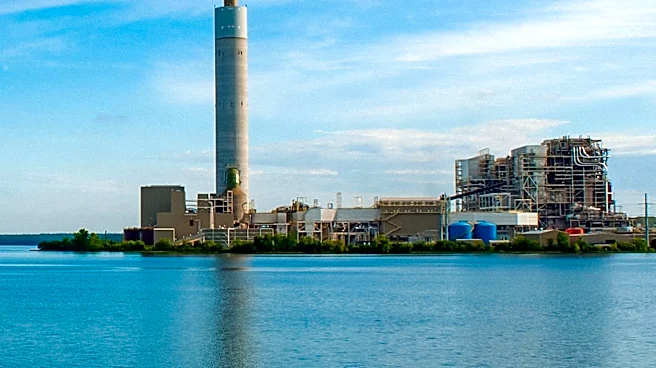
Elrich has proposed shifting from incineration to advanced waste processing, which would involve trucking waste out of the county if the incinerator closes before a new facility is built. This proposal has raised concerns among residents about increased odors, truck traffic, and potential hazardous material incidents at the Shady Grove Transfer Station. A study indicated that long-hauling waste would result in an additional 40 trash trucks daily through the transfer station. Council President Natali Fani-González rejected Elrich’s approach, leading the council to adopt a budget that maintains funding for incinerator operations through June 2027. The Dickerson incinerator, operational since 1995, processes approximately 600,000 tons of waste annually, converting it into energy, with ash transported to a Virginia landfill. Environmental advocates have long pushed for its closure due to environmental impact concerns.
Why It's Important?
This debate highlights a critical challenge for local governments in balancing environmental goals with practical waste management logistics and community impact. The proposed shift from incineration to advanced waste processing, while potentially more environmentally friendly in the long term, presents immediate logistical and financial hurdles, including the need for significant infrastructure development and potential reliance on out-of-county waste disposal. The concerns raised by residents underscore the importance of community engagement and transparent planning in waste management decisions, as increased truck traffic and potential environmental nuisances can directly affect quality of life. The county's decision will set a precedent for how other municipalities might approach transitioning away from traditional waste disposal methods, particularly incineration, and managing the associated economic and social costs. The financial implications, including a proposed $43.9 million for a six-month waste-hauling contract, demonstrate the substantial investment required for such a transition.
What's Next?
Responses to a request for proposals to build an advanced waste processing facility in Montgomery County are due by September 14. The County Council is expected to vote on the issue by Thanksgiving, according to Councilmember Sidney Katz, who emphasized the urgency due to upcoming changes in council membership. If the council does not reach a decision, the matter will be passed to the next council, potentially delaying a resolution. Meanwhile, the contract with the Dickerson incinerator's operator was extended through April 2031, with an option for early termination, providing some flexibility for future decisions. The ongoing discussions will likely involve further community meetings, expert consultations, and detailed financial analyses to determine the most viable and sustainable waste management strategy for the county, addressing both environmental concerns and resident welfare.
Beyond the Headlines
The situation in Montgomery County reflects a broader national trend where communities grapple with the environmental and social costs of waste disposal. The push for advanced waste processing technologies signifies a move towards more sustainable and resource-efficient methods, but it also exposes the complexities of implementing such changes within existing infrastructure and community expectations. The debate touches upon environmental justice, as residents living near transfer stations often bear a disproportionate burden of environmental impacts. Furthermore, the discussion about 'Plan C' suggests a growing demand for innovative and comprehensive solutions that go beyond traditional incineration or landfilling, pushing for a circular economy approach where waste is viewed as a resource. The outcome in Montgomery County could influence policy decisions and public perception regarding waste-to-energy facilities and advanced processing technologies across the U.S., highlighting the need for integrated waste management systems that prioritize both ecological sustainability and community well-being.