








What's Happening?
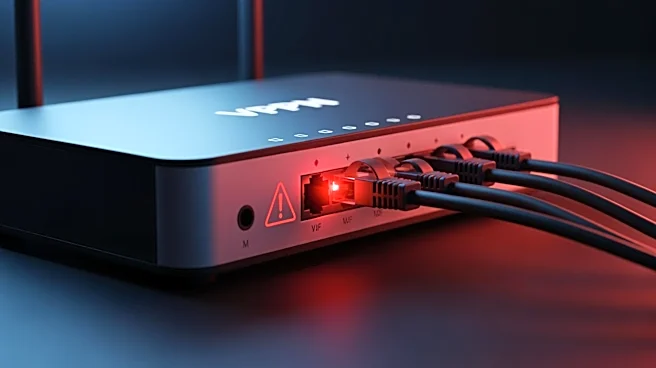
The US Cybersecurity and Infrastructure Security Agency (CISA) has issued an urgent directive requiring all civilian federal agencies to address a critical vulnerability in Check Point software. This vulnerability, which affects remote access tools, firewalls,
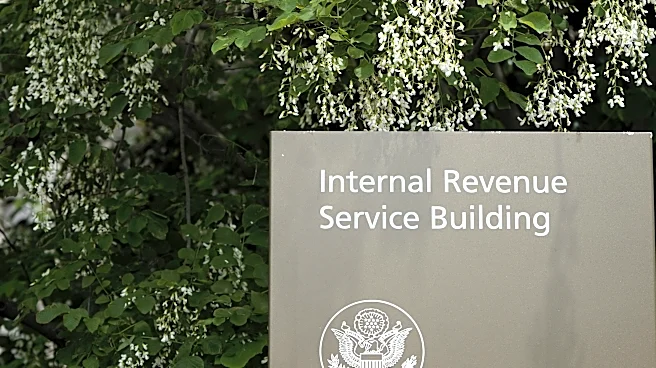
and VPN systems, has been actively exploited by a ransomware group known as Qilin. The exploitation of this flaw poses a significant threat to the security of federal networks. The directive mandates that all affected agencies, including the Department of Homeland Security, the Department of State, and the Treasury, must remediate the issue by June 11. This action is part of CISA's Operational Directive BOD 22-01, which allows for the implementation of security measures in response to active cyber threats.
Why It's Important?
The directive from CISA underscores the critical nature of cybersecurity in protecting federal networks from malicious attacks. The exploitation of vulnerabilities in widely used security tools like VPNs and firewalls can lead to unauthorized access and potential data breaches, which could compromise sensitive government information. The urgency of the directive highlights the ongoing threat posed by ransomware groups and the need for robust cybersecurity measures. This situation also reflects the broader challenges faced by organizations in managing and patching vulnerabilities promptly to prevent exploitation.
What's Next?
Federal agencies are expected to comply with the directive by the specified deadline, ensuring that the vulnerability is patched to prevent further exploitation. CISA will likely monitor compliance and may issue further guidance or directives as necessary. The situation may prompt other organizations, both public and private, to review their own cybersecurity measures and patch management processes to mitigate similar risks. Additionally, there may be increased collaboration between government agencies and cybersecurity firms to enhance threat detection and response capabilities.