




What's Happening?
The concept of American exceptionalism, particularly its link to the free-enterprise system, is being critically examined through the lens of historical economic crises and persistent inequality. The Great Depression (1929-1933) serves as a prime example,
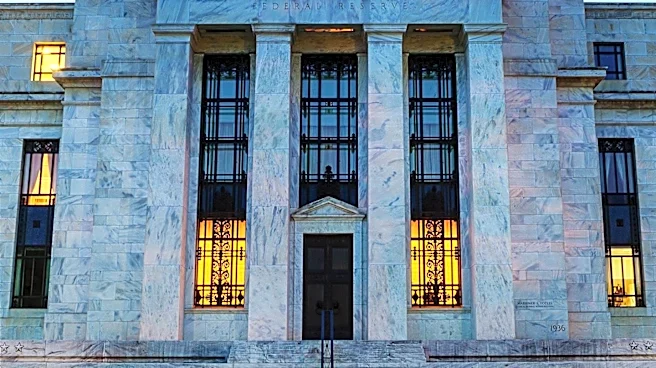
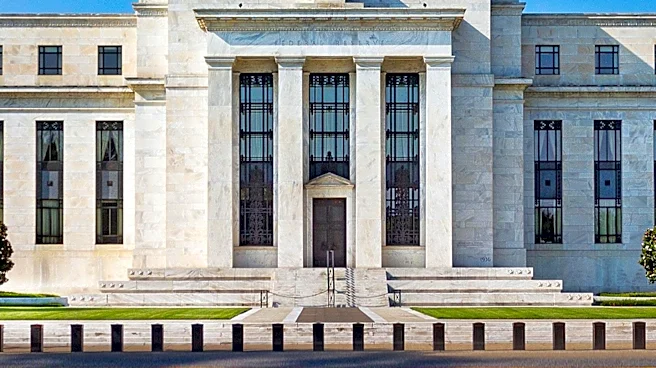
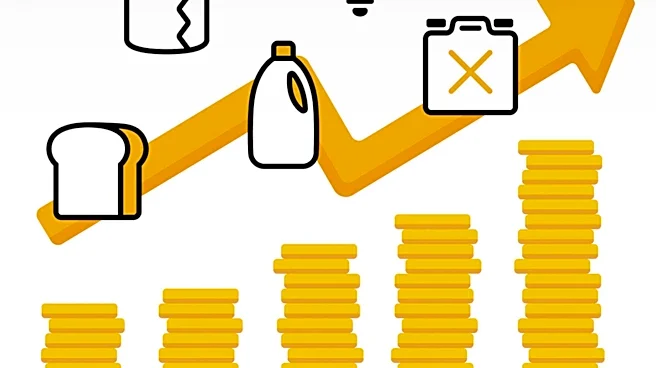
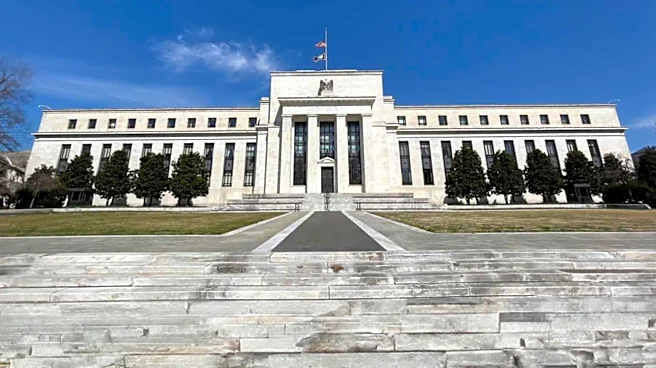
demonstrating that the U.S. market economy was capable of producing severe conditions requiring substantial government intervention, including financial regulation and social programs. Similarly, the 2008 financial crisis necessitated significant government intervention from the Treasury, Federal Reserve, and FDIC to stabilize markets and prevent the collapse of major firms. These historical events challenge the notion that the free-enterprise system alone ensures American economic success, suggesting that government action has been crucial in preserving the market during times of instability. Furthermore, ongoing economic downturns and stagnant incomes for middle- and lower-class Americans contradict the ideal of upward mobility central to the American Dream, creating a tension between belief and economic reality.
Why It's Important?
This critical examination of American exceptionalism has significant implications for public policy, economic discourse, and national identity. If the free-enterprise system, often touted as a cornerstone of American strength, has repeatedly led to severe instability requiring government bailouts, it calls into question the efficacy of an entirely unregulated market. This perspective could influence debates on the role of government in the economy, potentially leading to increased calls for stronger financial regulations, expanded social safety nets, and policies aimed at reducing income inequality. For political leaders, acknowledging these historical realities might necessitate a re-evaluation of economic narratives and a shift towards policies that prioritize stability and equitable distribution of wealth over unchecked market forces. The persistence of belief in the American Dream despite economic challenges also highlights a disconnect that could fuel social unrest if not addressed through tangible improvements in economic opportunity for all citizens.
What's Next?
The ongoing debate surrounding American exceptionalism and the role of the free-enterprise system is likely to intensify, particularly as economic disparities persist. This discussion could lead to increased scrutiny of current economic policies and a push for reforms aimed at creating a more resilient and equitable economy. Political platforms, such as the Texas Republican Party Platform's emphasis on American exceptionalism and the benefits of free enterprise, may face greater challenges as empirical evidence of economic instability and inequality becomes more prominent. Future policy discussions could focus on balancing market freedoms with government oversight, exploring hybrid economic models that incorporate elements of social welfare, and implementing measures to enhance upward mobility for a broader segment of the population. The outcome of these debates will shape future economic legislation, educational curricula, and the national understanding of America's economic identity.
Beyond the Headlines
The re-evaluation of American exceptionalism delves into deeper philosophical and cultural dimensions of the nation's identity. The idea that the U.S. economic system is inherently superior is deeply ingrained, yet historical evidence suggests a more complex reality where government intervention has been essential for market survival. This challenges a core tenet of American self-perception and could lead to a more nuanced understanding of national strengths and weaknesses. Ethically, the persistence of belief in the American Dream despite limited upward mobility raises questions about societal narratives and the responsibility of institutions to foster genuine opportunity. Legally, this could translate into debates over antitrust laws, wealth taxes, and regulations designed to curb corporate power and promote fairer competition. Culturally, a shift away from an uncritical embrace of free-enterprise exceptionalism might encourage a more introspective national dialogue about shared prosperity, collective responsibility, and the true meaning of economic success for all Americans, rather than just a select few.