




What's Happening?
Representative Gabe Evans, alongside Republican Study Committee Chairman August Pfluger, has introduced the Fire Improvement and Reforming Exceptional Events (FIRE) Act. This legislation aims to support state efforts in managing wildfires by allowing
states to conduct prescribed burns without facing federal penalties. The bill also mandates the Environmental Protection Agency (EPA) to perform regional analyses when multiple states are impacted by the same wildfire, thereby reducing regulatory burdens and streamlining federal responses. The FIRE Act is part of a broader legislative effort, including the Foreign Emissions and Nonattainment Clarification for Economic Stability (FENCES) Act, which seeks to exclude foreign emissions from national air quality assessments. These initiatives are designed to empower states in forest management and mitigate the economic impacts of wildfires.
Why It's Important?
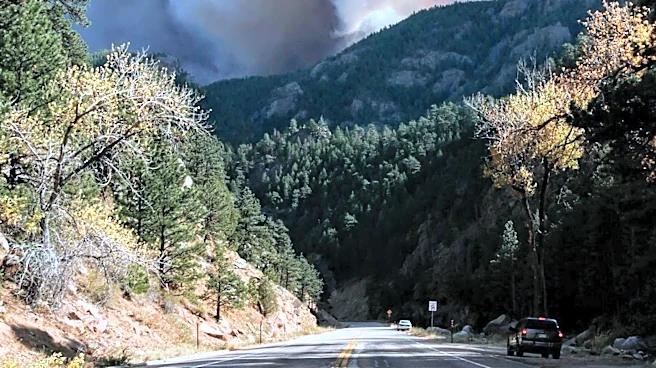
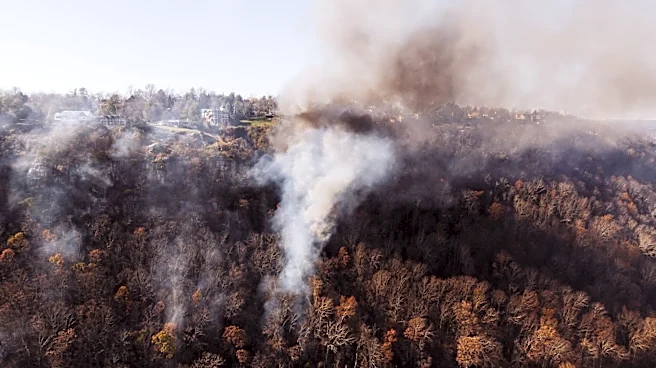
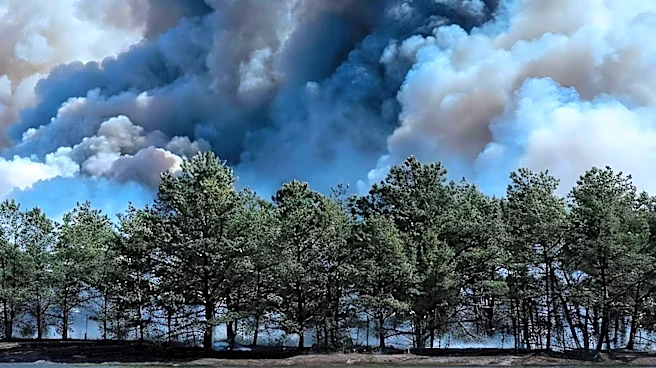
The introduction of the FIRE Act is significant as it addresses the increasing frequency and severity of wildfires, which have devastating environmental and economic impacts. By reducing bureaucratic hurdles, the legislation aims to enhance state-level forest management, potentially leading to more effective wildfire prevention and response strategies. This could result in improved air quality and reduced economic losses from wildfires. The legislation also highlights a shift towards more localized environmental management, which could set a precedent for future federal-state collaborations in environmental policy.
What's Next?
The next steps involve the Senate's consideration of the FIRE Act and the FENCES Act. If passed, these bills could lead to significant changes in how states manage their forests and respond to wildfires. Stakeholders, including environmental groups, state governments, and the EPA, are likely to engage in discussions to refine the implementation of these policies. The outcome of these legislative efforts could influence future environmental legislation and state-federal relations in managing natural disasters.