






What's Happening?
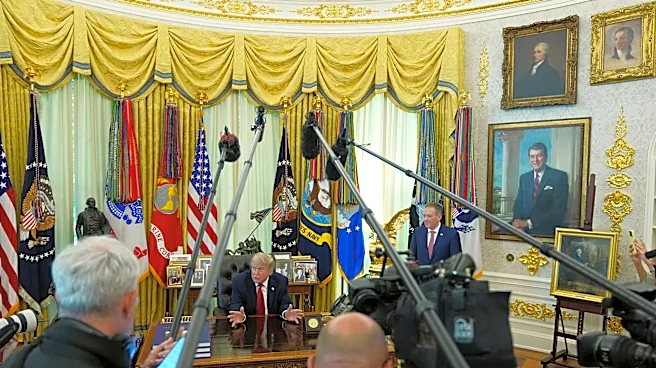
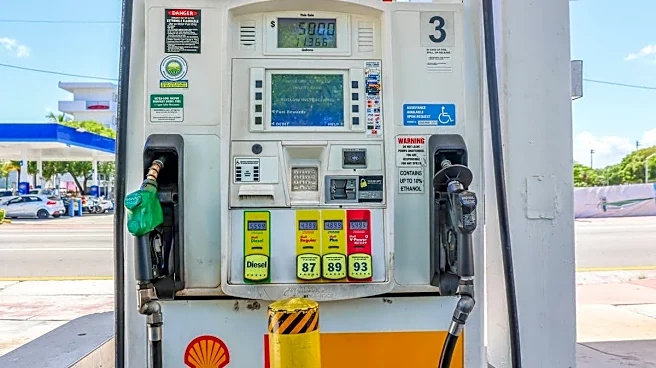
President Trump has shifted his focus in the ongoing battle against inflation to gasoline retailers, urging them to lower prices to $2.50 per gallon. This move comes as the U.S. inflation rate remains high at 4.2%, significantly above the Federal Reserve's
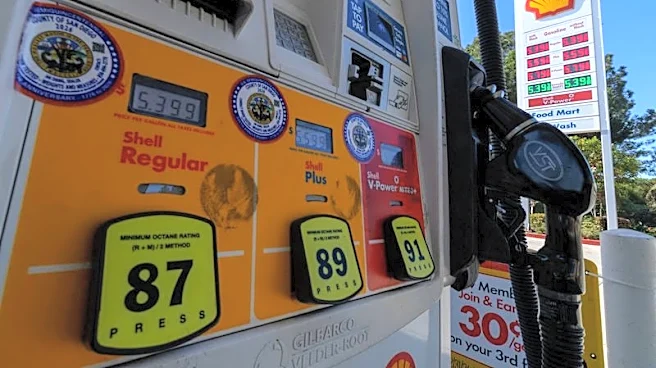
target of 2%. The price of gasoline has surged by 40.5% over the past year, with fuel oil prices increasing by 58.9%, largely due to disruptions in global oil supply caused by geopolitical tensions involving the U.S., Israel, and Iran. Despite a recent decline in oil prices to $68 a barrel, gas prices have not seen a corresponding decrease. Trump has publicly demanded that gas retailers reduce their prices immediately, warning of potential consequences if they fail to comply. This development follows a Supreme Court ruling that upheld the independence of the Federal Reserve, thwarting Trump's previous attempts to influence monetary policy.
Why It's Important?
The high inflation rate and elevated gas prices have significant implications for the U.S. economy and consumers. By targeting gas retailers, President Trump aims to alleviate the financial burden on American households, who are facing increased costs for essential goods and services. Lower gas prices could potentially stimulate consumer spending and economic growth. However, the feasibility of achieving a $2.50 per gallon price remains uncertain, as it would require substantial cooperation from the oil industry. The Supreme Court's decision to uphold the Federal Reserve's independence underscores the challenges faced by the administration in directly influencing economic policy, highlighting the complex interplay between government actions and market forces.
What's Next?
If gas retailers do not respond to President Trump's demands, it could lead to further political and economic tensions. The administration may explore additional measures to address inflation and high gas prices, potentially involving regulatory or legislative actions. The response from the oil industry and consumer advocacy groups will be critical in shaping the next steps. As the midterm elections approach, the administration's handling of inflation and economic issues will likely be a focal point for voters, influencing political strategies and campaign narratives.