






What's Happening?
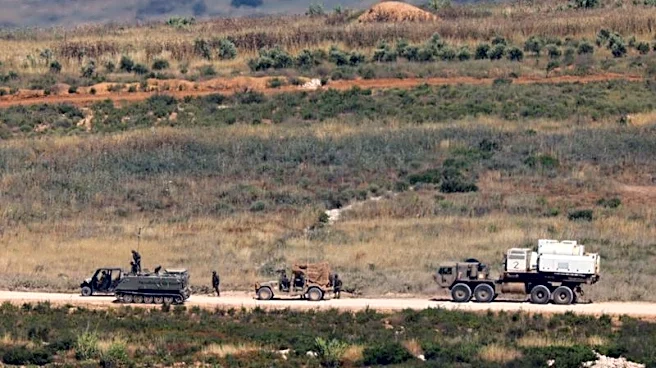
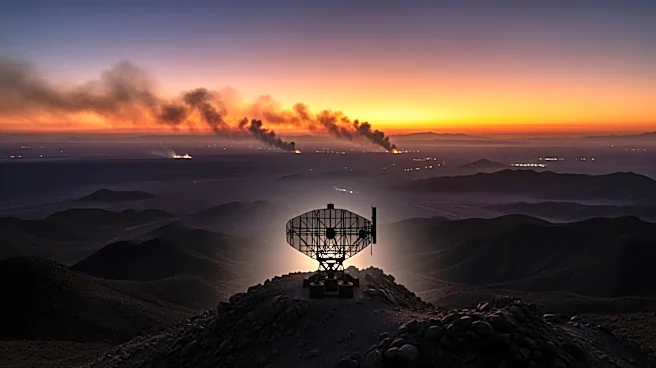
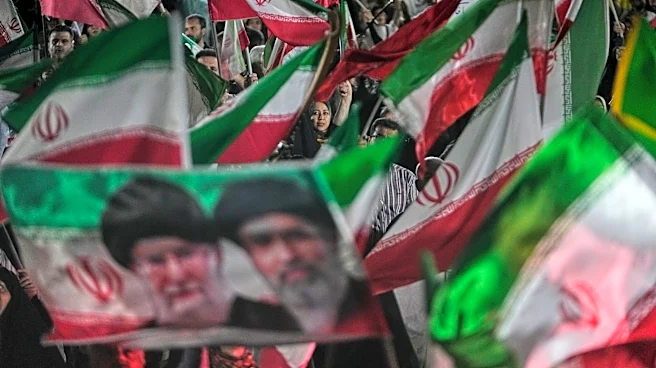
The United States has conducted airstrikes on radar and drone sites in Iran following the downing of an American drone by Iranian forces. In retaliation, Iran launched missiles targeting American troops stationed in Kuwait, which were intercepted by U.S.
defenses. This exchange marks a significant escalation in the ongoing conflict between the two nations, despite ongoing negotiations aimed at reaching a ceasefire. The conflict has also impacted global energy supplies, as Iran continues to exert control over the Strait of Hormuz, a critical passage for oil and natural gas shipments. The situation remains tense as both sides engage in military actions while attempting to negotiate a resolution.
Why It's Important?
The escalation of military actions between the U.S. and Iran has significant implications for global energy markets and geopolitical stability. The Strait of Hormuz is a vital corridor for the transportation of oil and natural gas, and disruptions in this region can lead to increased fuel prices worldwide. Additionally, the conflict poses a risk to regional security, with potential spillover effects involving other countries in the Middle East. The ongoing tensions also complicate diplomatic efforts to address Iran's nuclear program, which remains a contentious issue. The outcome of these negotiations could have far-reaching consequences for international relations and security.
What's Next?
As the situation develops, the focus will be on diplomatic efforts to de-escalate tensions and reach a ceasefire agreement. The U.S. and Iran are expected to continue negotiations, with the potential for further military actions if talks falter. The international community will likely monitor the situation closely, given its implications for global energy supplies and regional stability. Key stakeholders, including the U.S., Iran, and other Middle Eastern nations, will need to navigate complex political dynamics to achieve a peaceful resolution.