



What's Happening?
An 82-year-old Detroit resident, Larnese Davis, received an erroneous water bill totaling $32,000, significantly higher than her typical bill of $250-$260 every few months. Her daughter, Tiffany Damerond, reported that initial bills escalated from over
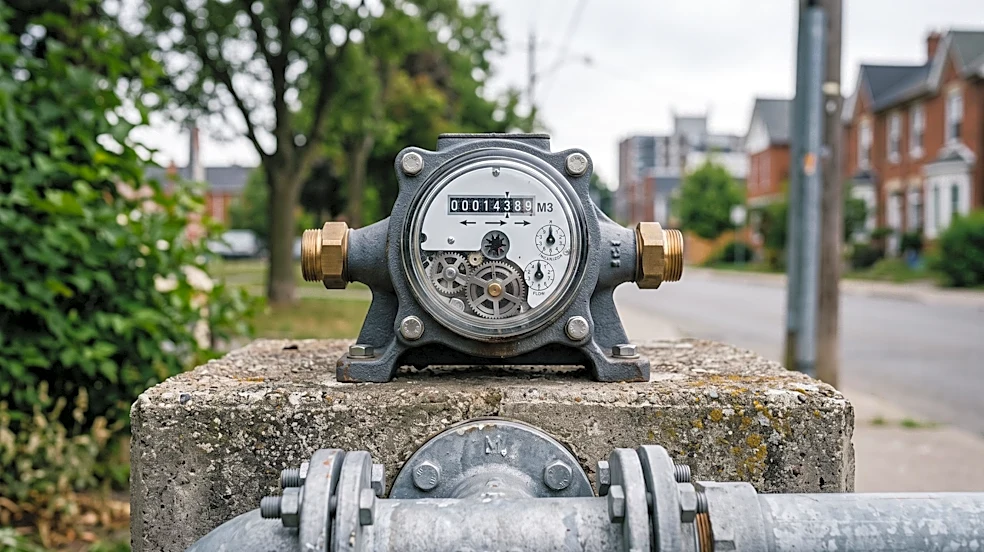
$1,800 to $16,000, culminating in the $32,000 charge. Despite multiple calls to the Detroit Water and Sewerage Department (DWSD) and a plumber finding no leaks, the issue persisted. After Local 4 intervened, the DWSD dispatched a team to address the problem. Sam Smalley, Deputy Director for the DWSD, explained that the exorbitant bill was due to a vendor-certified meter that was not compliant with the department's existing technology. The DWSD has identified approximately 1,000 such meters in their warehouse and six more in the field, and they are actively working to contact affected customers to proactively resolve similar issues.
Why It's Important?
This incident highlights significant issues within the Detroit Water and Sewerage Department's billing and meter infrastructure, potentially affecting numerous other residents. The reliance on non-compliant vendor-certified meters suggests a systemic problem that could lead to widespread billing inaccuracies and financial distress for customers, particularly vulnerable populations like the elderly. The fact that the issue was only resolved after media intervention raises concerns about the accessibility and responsiveness of customer service for those facing similar challenges. For the DWSD, this situation underscores the critical need for rigorous vendor oversight and robust internal processes to ensure billing accuracy and maintain public trust. The proactive outreach to other customers with similar meters is a crucial step in mitigating broader public impact and preventing future occurrences of such extreme billing errors.
What's Next?
The Detroit Water and Sewerage Department plans to proactively contact other customers who may have the non-compliant meters to address potential billing issues. They have stated their commitment to ensuring accurate billing and have provided a contact number (313-267-8000) for customers to inquire about their bills. The department will likely continue to investigate the scope of the non-compliant meters and work on replacing them. This situation may also prompt a review of vendor certification processes and quality control measures within the DWSD to prevent similar incidents in the future. Affected customers can expect their erroneous bills to be corrected and their meters to be replaced.
Beyond the Headlines
The case of Larnese Davis extends beyond a simple billing error, touching upon broader themes of consumer protection, technological reliability, and accountability of public utilities. The stress and financial burden placed on an 82-year-old living alone by a $32,000 bill underscore the vulnerability of certain demographics to systemic failures. This incident could catalyze increased scrutiny of utility billing practices nationwide, particularly concerning the integration of new technologies and third-party vendors. It also raises questions about the ethical responsibilities of vendors to ensure their products meet specified compliance standards and the need for robust oversight mechanisms to protect consumers from technological malfunctions. The public's reliance on essential services like water necessitates transparent and accurate billing, and failures in this regard can erode trust in public institutions.