





What's Happening?
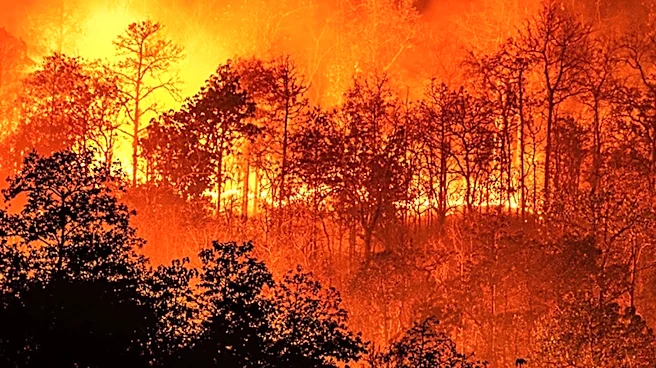
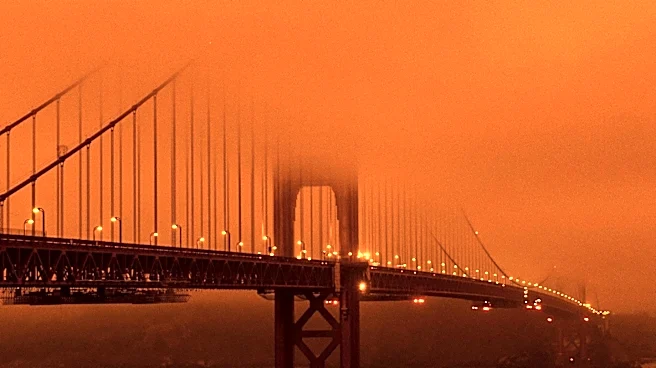
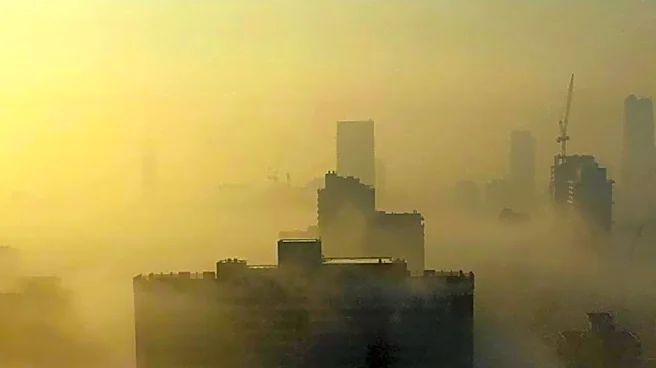
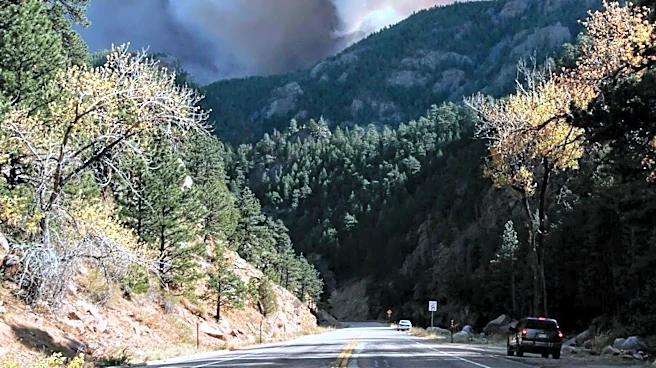
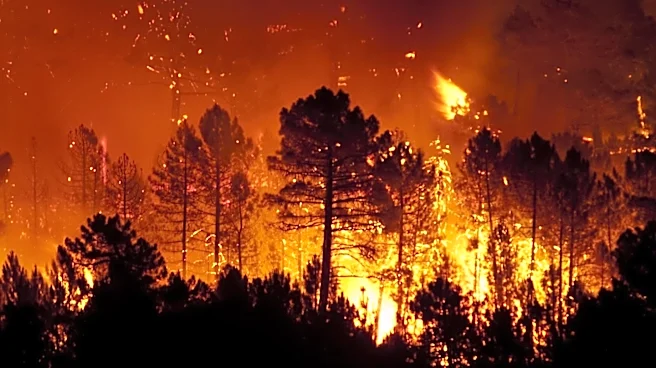
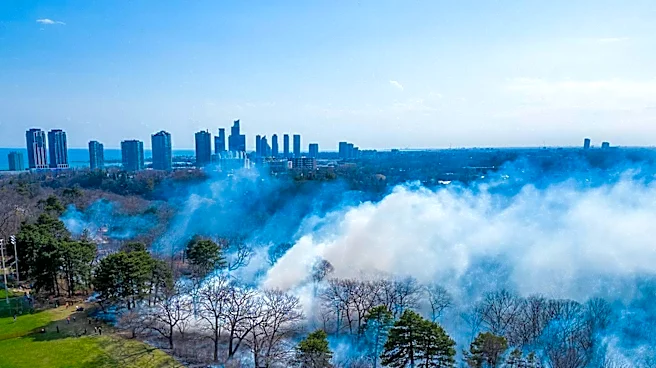
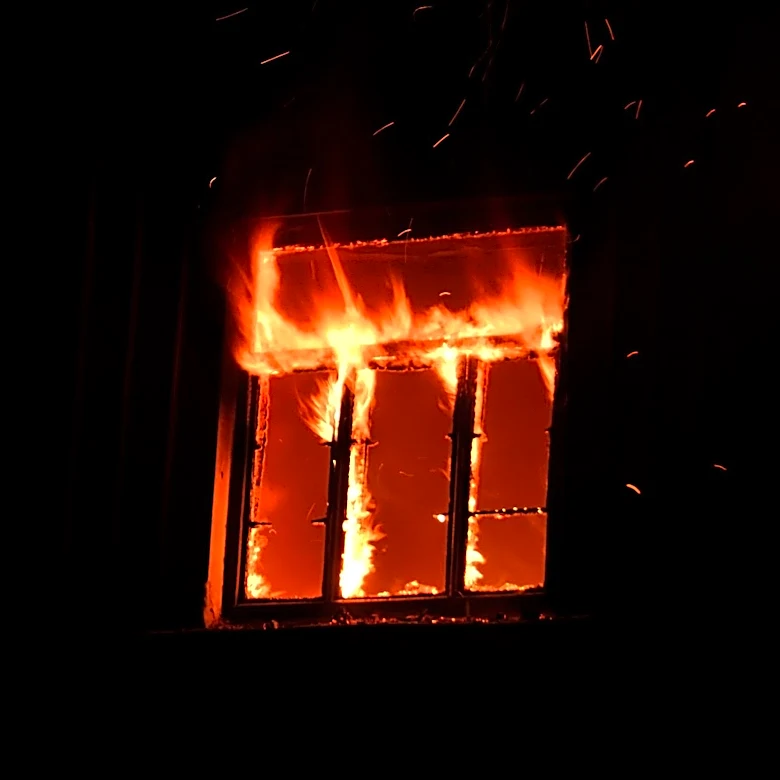
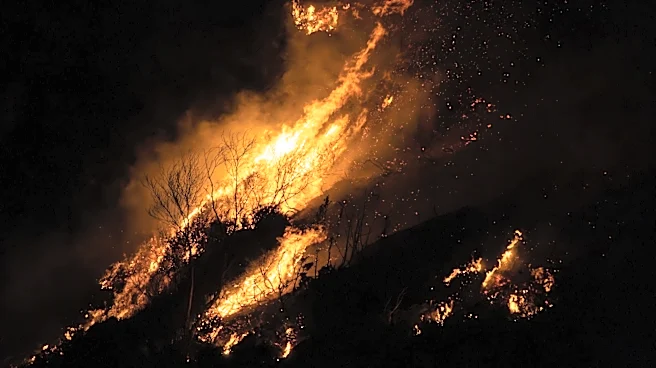
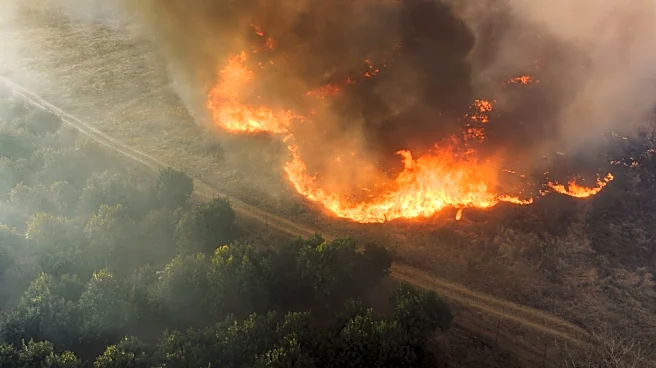
Air Quality Alerts have been issued across Michigan as smoke from Canadian wildfires drifts into the region. The Air Quality Index is fluctuating between unhealthy levels for sensitive groups and healthier conditions at times. The smoke is being carried
by a northwest flow in the jet stream, combined with surface winds from the northwest, pushing smoke plumes across the Great Lakes. Relief is expected by Friday when a shift in wind direction to the south is anticipated, bringing rain and storms that could help clear the air. The weather forecast predicts smoky and hazy conditions with isolated showers and warm temperatures, with highs ranging from the low 80s at the shores to the mid-80s inland.
Why It's Important?
The air quality issues in Michigan highlight the broader environmental impact of wildfires, which are becoming more frequent and severe due to climate change. Poor air quality can have significant health implications, particularly for vulnerable populations such as children, the elderly, and those with respiratory conditions. The situation underscores the need for effective cross-border environmental policies and emergency preparedness to mitigate the effects of such natural disasters. Additionally, the economic impact on outdoor activities and tourism in affected areas could be substantial if the air quality does not improve.
What's Next?
As the wind direction changes, the anticipated rain and storms could provide temporary relief from the smoke. However, continued monitoring of air quality levels will be necessary, and further alerts may be issued if conditions do not improve. Local authorities and health departments are likely to continue advising residents on precautions to take during periods of poor air quality. Long-term, this event may prompt discussions on improving infrastructure and policies to better handle similar situations in the future.