


What's Happening?
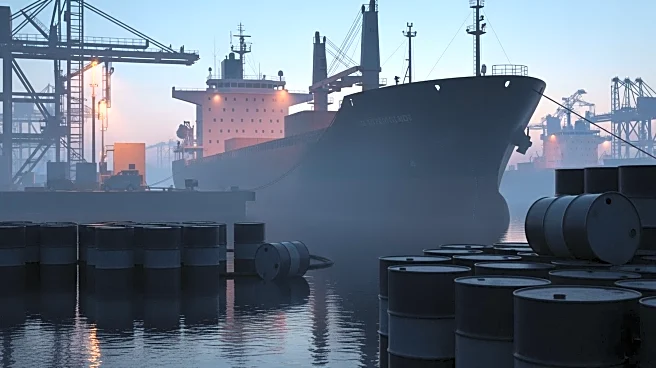
Amnesty International has reported that Myanmar's military is using 'ghost ships' to import aviation fuel, which is then used for air attacks in the country's ongoing civil war. These ships reportedly turn off their Automatic Identification System (AIS)
to avoid detection, a tactic similar to those used by sanctioned nations like Russia and Iran. The report highlights that Myanmar imported over 109,000 tonnes of aviation fuel in 2025, marking a 69% increase from the previous year. This increase comes despite international sanctions aimed at curbing the military's capacity to conduct airstrikes, which have resulted in significant civilian casualties. Amnesty's investigation confirmed at least nine shipments of aviation fuel to Myanmar between mid-2024 and the end of 2025, using evasive shipping methods.
Why It's Important?
The use of 'ghost ships' to import aviation fuel underscores the challenges of enforcing international sanctions against Myanmar's military regime. Despite efforts by the United States and Britain to limit the junta's access to resources for military operations, these tactics allow the regime to continue its airstrikes, exacerbating the humanitarian crisis. The situation highlights the limitations of current sanctions and the need for more effective international measures to prevent further civilian harm. The ongoing conflict has already resulted in over 7,700 civilian deaths since the military coup in 2021, according to the Assistance Association for Political Prisoners.
What's Next?
Amnesty International has called for a complete ban on shipping aviation fuel to Myanmar and urged companies involved in the supply chain to withdraw. The report suggests that without stricter enforcement and broader international cooperation, the military will continue to find ways to circumvent sanctions. The international community may need to explore additional diplomatic and economic measures to pressure Myanmar's military government to cease its airstrikes and engage in dialogue with opposition groups.
Beyond the Headlines
The tactics employed by Myanmar's military reflect a broader trend among sanctioned nations to use clandestine methods to sustain their operations. This raises ethical and legal questions about the responsibility of international shipping companies and the effectiveness of global trade regulations. The situation also highlights the role of major allies like Russia and China in supporting Myanmar's military, complicating international efforts to address the crisis.