









What's Happening?
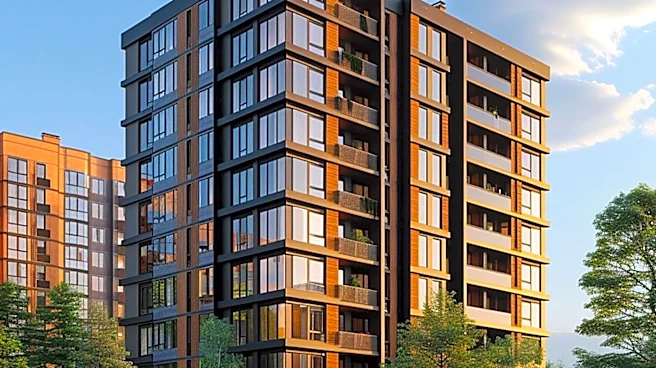
Crown Heights, a culturally and architecturally significant neighborhood in Brooklyn, New York, is witnessing a surge in new apartment developments. These new buildings, such as The Arcadian, The Gregory, Mason Gray, Loden, The Arch, The Dean, and Pacific
House, offer a range of modern amenities while integrating into the historic fabric of the area. The Arcadian, for example, features LEED-certified apartments with amenities like a fitness center and rooftop terrace. The Gregory, housed in a converted historic schoolhouse, offers unique homes with preserved architectural details. Mason Gray stands out with its Romanesque Revival complex, while Loden emphasizes its connection to nature with oversized windows and garden spaces. The Arch, part of the redeveloped Bedford Union Armory complex, includes a community center with sports facilities. These developments cater to a diverse range of residents, offering studios to three-bedroom units with prices varying from $2,708 to $7,091 per month.
Why It's Important?
The development of new apartment buildings in Crown Heights is significant as it reflects the ongoing urban renewal and gentrification trends in Brooklyn. These projects not only provide modern living spaces but also contribute to the economic growth of the area by attracting new residents and businesses. The integration of historic preservation with modern amenities highlights a growing trend in urban development that values cultural heritage while meeting contemporary living standards. This can lead to increased property values and a more vibrant community, but it also raises concerns about affordability and displacement of long-term residents. The developments are strategically located near public transportation and cultural landmarks, enhancing the appeal of Crown Heights as a desirable place to live.
What's Next?
As these new developments continue to attract residents, the neighborhood may experience further changes in its demographic and economic landscape. The influx of new residents could lead to increased demand for local services and businesses, potentially boosting the local economy. However, it may also intensify discussions around housing affordability and the preservation of the neighborhood's cultural identity. Stakeholders, including city planners, developers, and community groups, will need to address these challenges to ensure that the growth benefits all residents. Future projects may focus on balancing development with community needs, possibly incorporating more affordable housing options and community spaces.