

What's Happening?
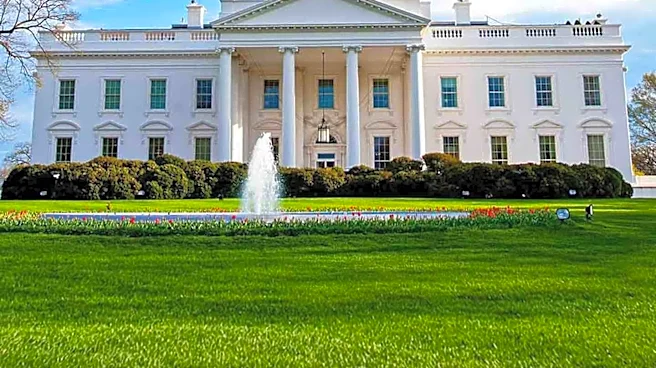
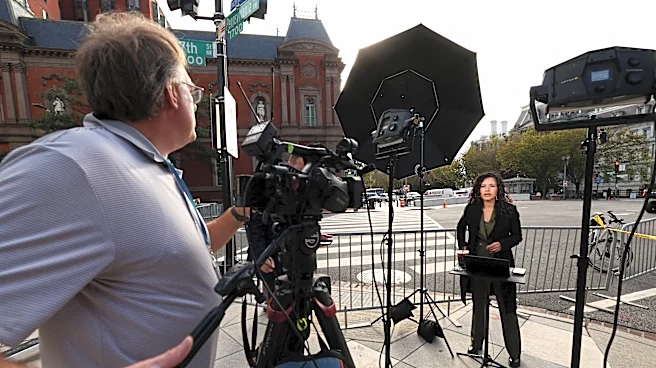
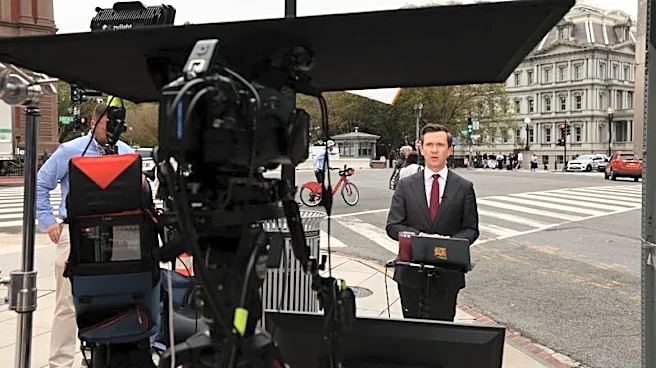
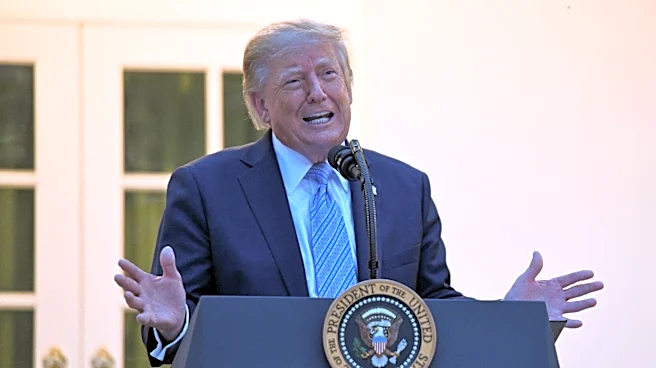
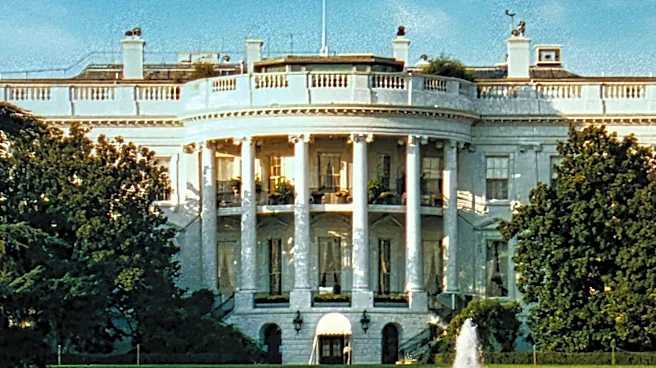
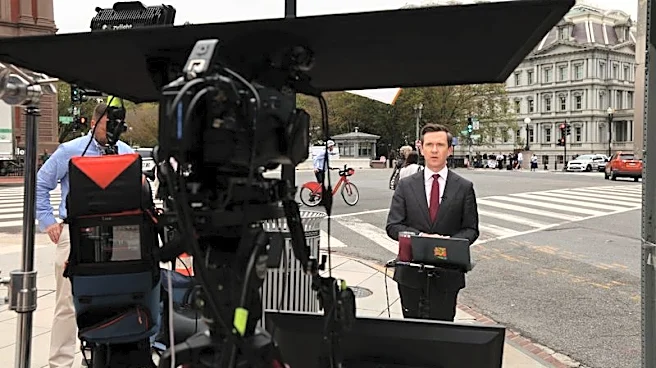
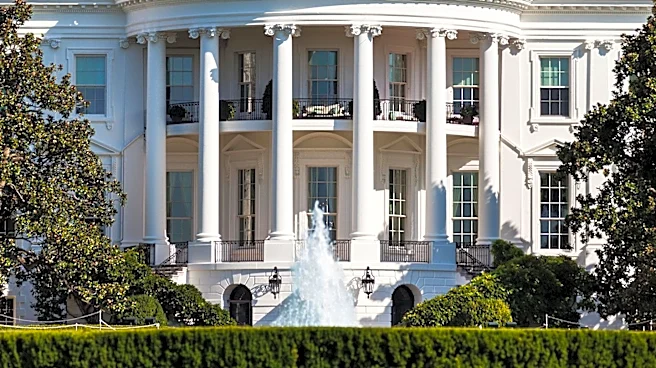
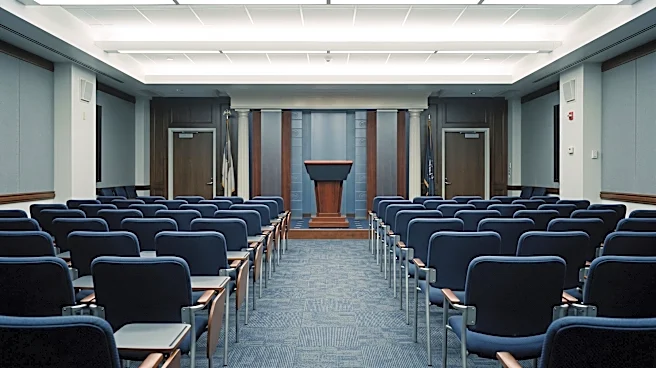
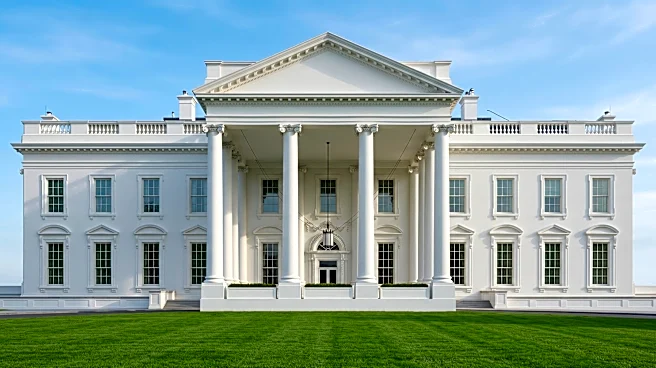
Ahead of the 2026 elections, voting rights advocates are raising alarms over several developments, including a White House press ban affecting Ms. Now, CNN, and Politico. Symone and Eugene Daniels, hosts of the Clock It podcast, argue that this ban, alongside
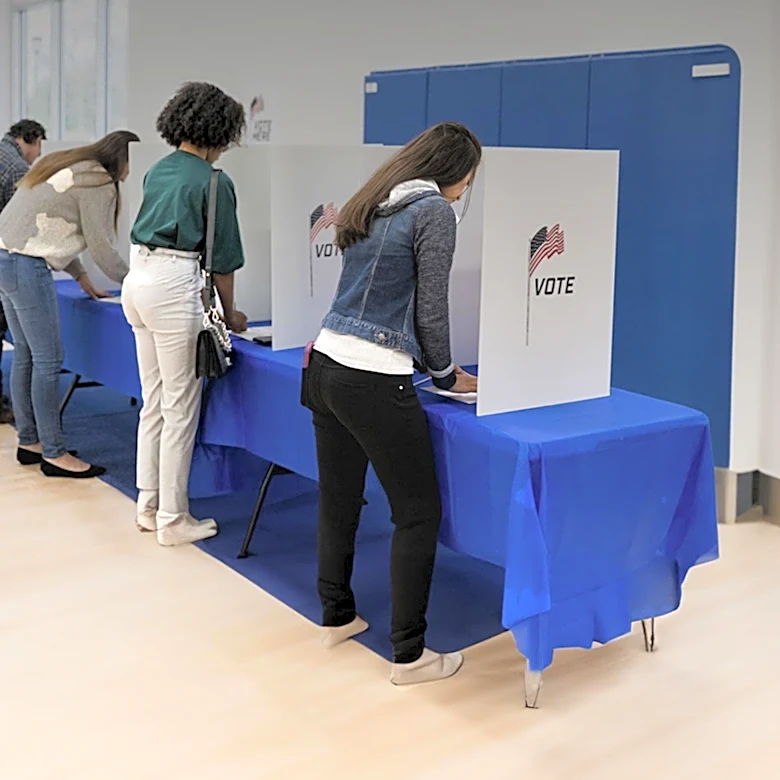
over 300 polling place closures in Dallas-Fort Worth and new citizenship-proof voting requirements tied to the Save America Act, represents a broader erosion of democratic accountability. The press ban specifically impacts Ms. Now, a platform focused on Black political commentary, by restricting its ability to report on the administration and deliver news to its target communities. Critics view this as part of a pattern of narrowing institutional access to power and limiting which voices are heard. A First Amendment lawsuit has been filed, challenging the press restrictions as a violation of constitutionally protected press freedoms. The Daniels also highlighted an ongoing Department of Justice investigation into election-related meetings, suggesting a larger trend of institutions becoming less accessible and accountable.
Why It's Important?
This situation is important because it highlights potential threats to press freedom and voter access, particularly for Black communities. The White House press ban on specific outlets, especially one dedicated to Black political commentary like Ms. Now, could limit the diversity of perspectives in national political discourse and hinder the public's access to information. This is critical for a well-informed electorate, especially when issues like voter suppression are at play. The combination of polling place closures and new citizenship-proof voting requirements could disproportionately burden Black voters, naturalized citizens, and lower-income communities, who may face greater challenges in obtaining necessary documentation. These measures, if implemented widely, could lead to significant voter disenfranchisement and undermine the integrity of the electoral process, impacting the democratic participation of a substantial segment of the U.S. population.
What's Next?
The First Amendment lawsuit challenging the White House press ban will proceed, potentially setting a precedent for future press access restrictions. The Department of Justice investigation into election-related meetings will continue, which could lead to further revelations about government accountability. Ahead of the 2026 elections, voting rights advocates will likely intensify their efforts to combat polling place closures and the implementation of citizenship-proof voting requirements. Symone and Eugene Daniels urge individuals to confirm their polling locations, understand documentation requirements, and support independent journalism. The upcoming book by Symone Daniels, 'Don’t Say I Didn’t Warn You: America Has a Power Problem,' and Ms. Now’s live event at the University of Texas at Arlington aim to further engage the public on these critical issues. The outcome of these legal and advocacy efforts will significantly shape the landscape of U.S. elections and press freedom.
Beyond the Headlines
Beyond the immediate concerns of press access and voter suppression, these developments point to deeper shifts in democratic norms and the relationship between government, media, and citizens. The targeting of specific news outlets, particularly those amplifying marginalized voices, raises questions about the administration's commitment to a free and diverse press. The emphasis on citizenship-proof voting requirements, beyond standard voter ID laws, could fundamentally alter the perception of who 'deserves' to participate in the democratic process, potentially creating a two-tiered system of citizenship. This could lead to long-term societal divisions and erode trust in electoral outcomes. The collective impact of these actions—reduced polling access, stricter voting requirements, and limited press scrutiny—suggests a systemic challenge to the foundational principles of U.S. democracy, where the ability to vote and to be informed are increasingly under pressure.