





What's Happening?
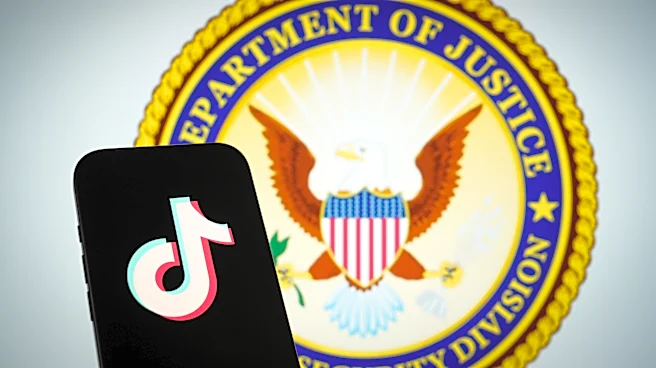
The Department of Justice (DOJ) has announced the formation of a new Super Intelligence Task Force (DOJ-SITF) to address the misuse of artificial intelligence (AI) and promote American leadership in the field. Co-chaired by Associate Attorney General
Stanley Woodward and Associate Deputy Attorney General Stephen Weiss, the DOJ-SITF will consolidate existing AI-related efforts, including the work of the previous AI Litigation Task Force. Attorney General Todd Blanche stated in an October 13 memo that the task force will focus on preventing the compromise of U.S. AI leadership by foreign state actors, transnational criminal organizations, and individuals engaged in fraud or other unlawful conduct. The DOJ-SITF will also serve as the primary liaison with the Super Intelligence Force, a broader government initiative announced by President Trump and led by National Intelligence Director Jay Clayton, which coordinates engagement with AI companies and organizations. The task force aims to identify and prosecute those who use AI to maliciously target American taxpayers, critical U.S. infrastructure, or national security interests.
Why It's Important?
The establishment of the DOJ-SITF signifies a critical step by the U.S. government to proactively manage the evolving landscape of artificial intelligence. This initiative is important because it acknowledges the dual nature of AI: its potential for significant advancement and its vulnerability to malicious exploitation. By centralizing efforts within the DOJ, the task force aims to create a more cohesive and effective strategy for law enforcement in the AI domain. This move is particularly relevant for U.S. industries involved in AI development, as it signals increased scrutiny and regulation, potentially influencing research, development, and deployment practices. For national security, the task force's focus on foreign threats and critical infrastructure protection underscores the strategic importance of AI in geopolitical contexts. The collaboration with the Super Intelligence Force also highlights a broader governmental push to ensure U.S. dominance in AI, which could impact international competitiveness and technological leadership. Businesses and individuals could face new legal precedents and enforcement actions related to AI misuse, while those developing secure and ethical AI solutions may find increased government support or demand for their technologies.
What's Next?
The DOJ-SITF is expected to begin its operational activities, which will include organizing criminal and civil law enforcement efforts related to AI, recommending enforcement priorities, and developing guidance for prosecuting unlawful AI-related conduct. This will likely lead to increased investigations and legal actions against individuals and entities found to be misusing AI. The task force's collaboration with the Super Intelligence Force, led by National Intelligence Director Jay Clayton, suggests a coordinated government-wide approach to AI policy and security. This partnership will aim to ensure that AI technologies serve the American public and are not manipulated by malicious actors. Businesses and technology developers in the AI sector should anticipate potential new regulations, compliance requirements, and legal frameworks emerging from the task force's work. Furthermore, the DOJ's commitment to promoting American AI dominance could lead to strategic investments, partnerships, and policies designed to foster innovation while mitigating risks.
Beyond the Headlines
The formation of the DOJ-SITF and the broader Super Intelligence Force reflects a significant shift in how the U.S. government perceives and addresses advanced technological capabilities. President Trump's directive to refer to AI as 'super intelligence' highlights a conceptual re-framing that emphasizes the profound and potentially transformative power of these technologies, moving beyond the traditional understanding of AI. This linguistic shift could influence public perception and policy debates, potentially leading to more aggressive regulatory or developmental approaches. The task force's mandate to promote American 'SI dominance' also raises questions about the ethical implications of a technological arms race and the balance between national security interests and open innovation. The focus on supply chain risks and the potential for AI to be used in fraud or to target critical infrastructure underscores the growing complexity of cybersecurity and national defense in the digital age. This development could also trigger a re-evaluation of international cooperation on AI governance, as the U.S. seeks to safeguard its technological edge while addressing global threats.