




What's Happening?
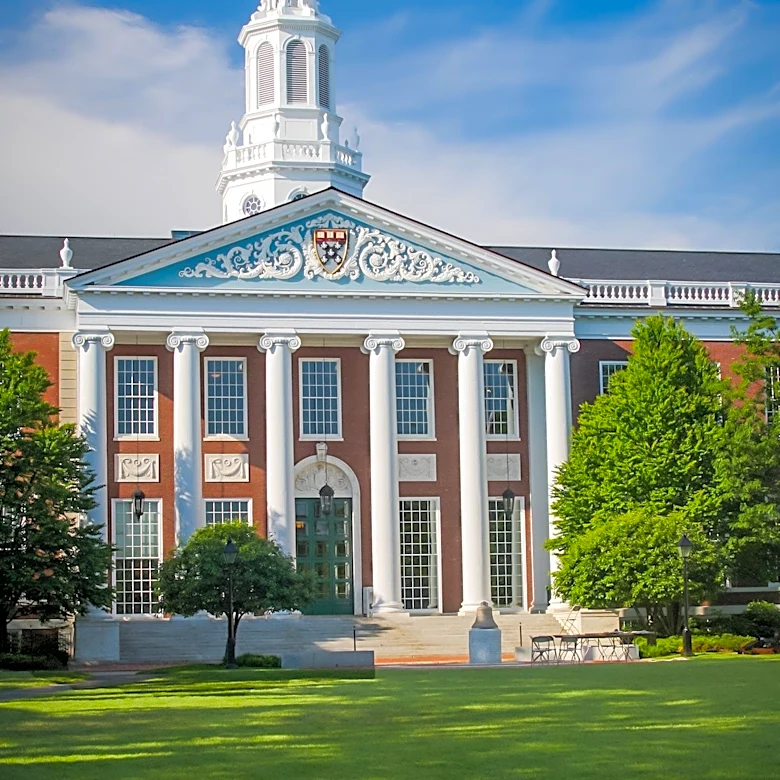
Harvard Medical School has agreed to a $53 million settlement in class-action lawsuits filed by relatives of body donors whose remains were stolen and sold by a former morgue manager. Deans George Q. Daley and Bernard S. Chang announced the settlement,
condemning the actions of former morgue manager Cedric Lodge as a "flagrant betrayal of our values." The settlement, pending court approval, will establish two funds to resolve lawsuits brought by 47 relatives of individuals whose remains were potentially mishandled. Harvard stated it cannot precisely identify all affected donors but reviewed federal investigators' information and school records to determine those potentially impacted between January 1, 2018, and March 31, 2023. Lodge was previously sentenced to eight years in prison for shipping body parts, including brains, skin, hands, and faces, to buyers. His wife, Denise Lodge, received a little over a year in prison for her involvement, and six buyers also pleaded guilty and were sentenced.
Why It's Important?
This settlement underscores the critical importance of ethical conduct and accountability within academic and medical institutions, particularly concerning the handling of human remains donated for research and education. The case highlights a profound breach of trust, not only for the families who altruistically donated their loved ones' bodies but also for the broader public's confidence in such programs. The incident could lead to increased scrutiny and demand for more stringent oversight mechanisms in anatomical gift programs nationwide. For Harvard Medical School, the settlement and the public condemnation of Lodge's actions are crucial steps in attempting to restore its reputation and rebuild trust with the community and future donors. The establishment of a financial aid scholarship in honor of anatomical donors also signals a commitment to acknowledging the invaluable contributions of these individuals, aiming to re-emphasize the noble purpose of body donation despite the egregious misconduct.
What's Next?
The $53 million settlement is currently pending court approval. Once approved, the two class-action settlement funds will be established to compensate the affected families. In addition to the financial compensation, Harvard Medical School has committed to providing families with a statement condemning Cedric Lodge's actions and detailing improvements made to its Anatomical Gift Program. The school also plans to launch an annual financial aid scholarship for medical students, starting in the 2027-28 academic year, to honor anatomical donors. Harvard has already implemented recommendations from a panel of outside experts, appointed in 2023 after Lodge's charges, to review and enhance the program's security and ethical protocols. These measures aim to prevent similar incidents in the future and reinforce the integrity of the body donation process.
Beyond the Headlines
The Harvard Medical School scandal and subsequent settlement reveal deeper societal and ethical considerations surrounding the posthumous treatment of human remains. The case brings to light the vulnerability of anatomical gift programs to criminal exploitation and the profound emotional distress such breaches inflict upon donor families. Beyond the immediate legal and financial repercussions, this incident could prompt a broader re-evaluation of the legal frameworks and oversight mechanisms governing body donation across the United States. It also raises questions about the commodification of human remains and the potential for a black market, even within highly reputable institutions. The school's efforts to establish a scholarship in honor of donors, while a positive step, also highlight the challenge of reconciling such a profound violation with the altruistic intent of those who contribute to medical science. This event serves as a stark reminder of the ethical responsibilities inherent in handling human remains and the need for unwavering vigilance against exploitation.