





What's Happening?
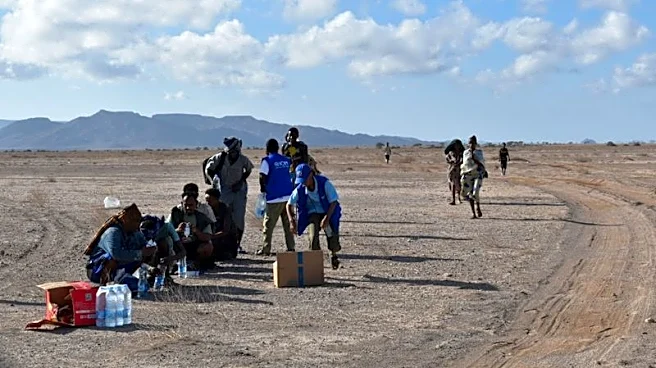
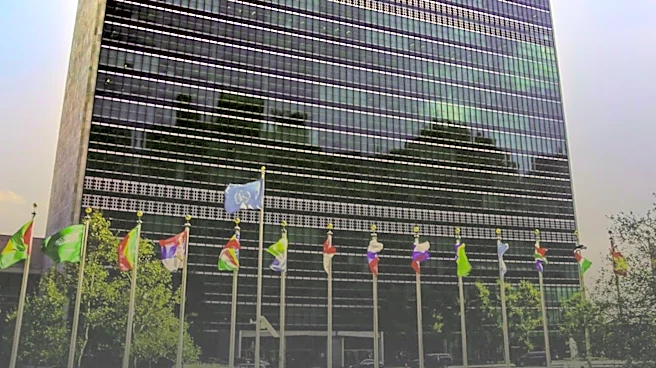
The International Organization for Migration (IOM), established in 1951, operates as a Related Organization of the United Nations and is recognized as the leading UN agency dedicated to migration. The IOM collaborates extensively with governmental, intergovernmental,
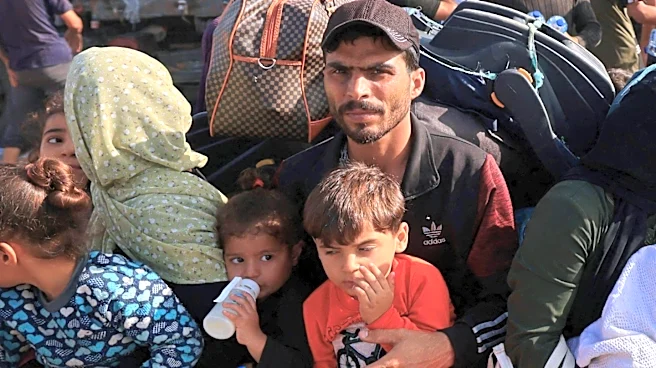
and non-governmental partners to advocate for humane and orderly migration practices that benefit all involved. Its activities span various critical areas, including mental health and psychosocial support, comprehensive migration management, and the protection of migrants. For instance, IOM Ireland, which has been active since 2001, focuses on programs such as Assisted Voluntary Return and Reintegration, Resettlement, Family Reunification, Counter-Trafficking, Protection, and Integration Support for beneficiaries of temporary protection. A key initiative in Ireland involves providing mental health and psychosocial support to international protection seekers residing in facilities like Citywest, aiming to enhance their well-being and resilience. The organization is committed to fostering an inclusive and supportive workplace environment and maintains a strict zero-tolerance policy against conduct incompatible with its objectives, including sexual exploitation, abuse, and discrimination.
Why It's Important?
The IOM's work is crucial for addressing the complex challenges associated with global migration, which has significant implications for U.S. policy, society, and international relations. By promoting humane and orderly migration, the IOM helps to stabilize regions, prevent humanitarian crises, and establish frameworks that can inform and influence U.S. immigration policies and practices. The organization's focus on mental health and psychosocial support for migrants, as seen in its operations in Ireland, highlights the often-overlooked human cost of displacement and migration. This aspect is particularly relevant to the U.S., which also grapples with providing adequate support for migrant populations. Furthermore, IOM's efforts in counter-trafficking and protection directly align with U.S. interests in combating human rights abuses and ensuring the safety of vulnerable individuals. The IOM's commitment to an inclusive workplace culture also sets a standard for international organizations and can influence best practices in diversity and inclusion within global governance and aid sectors, potentially impacting how U.S. agencies and NGOs approach similar issues.
What's Next?
The IOM will continue its multifaceted operations globally, adapting to evolving migration patterns and humanitarian needs. Its ongoing efforts in mental health and psychosocial support, migration management, and protection will remain central to its mission. The organization will likely continue to seek and strengthen partnerships with governments and other entities to expand its reach and effectiveness. Future initiatives may involve further development of training programs, such as the Trauma-Informed Practice training delivered to accommodation center staff, to enhance the capacity of those working directly with international protection applicants. The IOM's commitment to fostering a respectful and inclusive workplace suggests a continuous internal focus on organizational development and ethical conduct. The organization will also likely continue to advocate for policies that facilitate regular migration pathways and drive solutions to displacement, influencing international discourse and potentially shaping future U.S. engagement in global migration issues.
Beyond the Headlines
Beyond its immediate operational impact, the IOM's work underscores the profound ethical and societal dimensions of migration. The emphasis on 'humane and orderly migration' challenges nations, including the U.S., to balance national interests with humanitarian responsibilities. The provision of mental health and psychosocial support highlights the long-term integration challenges faced by migrants and the need for comprehensive support systems that extend beyond initial resettlement. This aspect has significant implications for public health and social services in host countries, including the U.S., where migrant populations often face unique psychological stressors. Furthermore, the IOM's role in counter-trafficking and protection sheds light on the darker aspects of global migration, emphasizing the vulnerability of individuals and the persistent need for robust international cooperation to combat exploitation. The organization's foundational principles and operational strategies serve as a critical benchmark for how societies can ethically and effectively manage human mobility in an increasingly interconnected world.