


What's Happening?
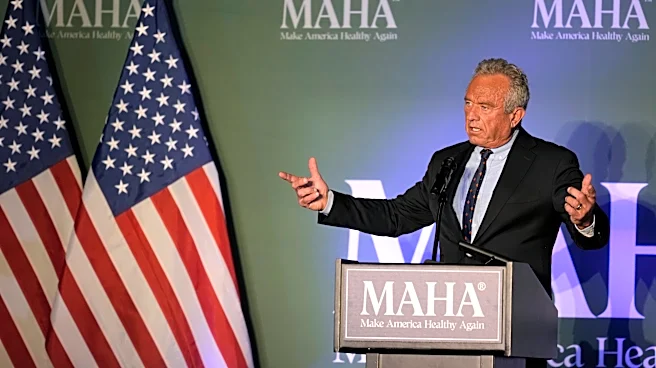
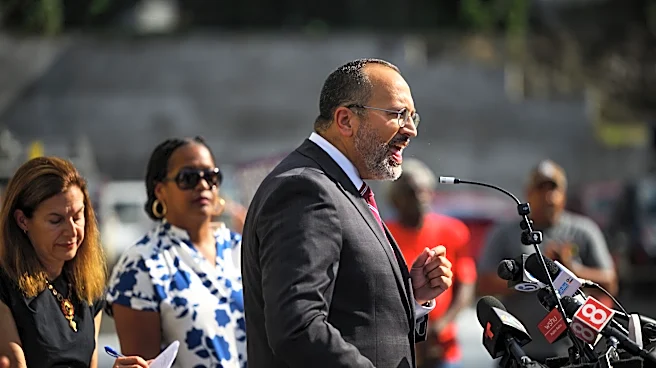
Secretary of Education Linda McMahon, alongside Secretary of Health and Human Services Robert F. Kennedy Jr. and several professional athletes, announced the Presidential Fitness School Innovation Challenge at Westlake High School. This initiative, launched
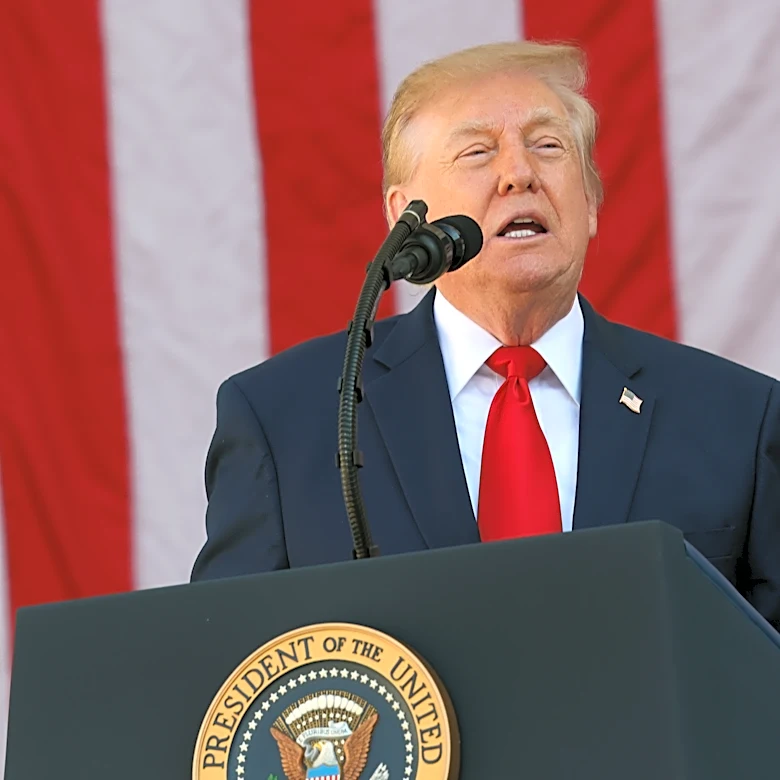
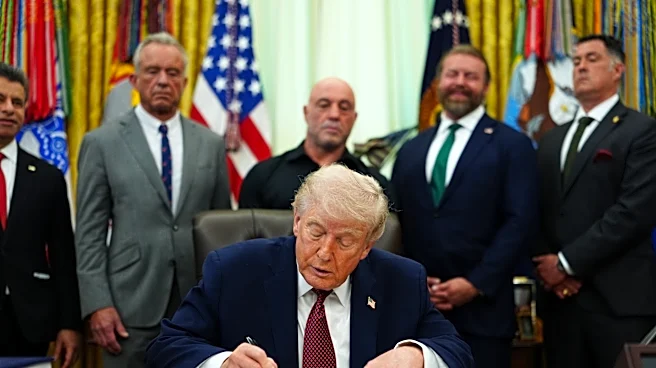
on October 1, aims to re-establish the Presidential Fitness Test (PFT) and encourage physical activity among students nationwide. President Trump signed an executive order on July 31, 2025, to revive the PFT and the President’s Council on Sports, Fitness, and Nutrition (PCSFN), which had been phased out by the Obama administration. The challenge offers a $10 million prize pool for schools, education agencies, and youth organizations to propose plans for implementing the optional fitness test and promoting long-term student fitness. The renewed PFT became fully operational for military institutions on July 1, and organizations interested in the youth fitness challenge must submit their entries by February 5.
Why It's Important?
The reintroduction of the Presidential Fitness Test and the associated innovation challenge signifies a renewed federal emphasis on physical education and student health. This initiative could lead to increased funding and resources for school fitness programs, potentially improving the physical well-being of students across the U.S. For schools, the $10 million prize pool offers a significant incentive to develop creative and effective fitness programs, fostering innovation in physical education. The involvement of high-profile figures like Secretary McMahon, Secretary Kennedy, and professional athletes aims to elevate the profile of physical fitness, potentially inspiring more students to engage in active lifestyles. This federal push could also influence state and local education policies, encouraging more comprehensive fitness assessments and programs in schools, particularly in states where such assessments are not currently mandated.
What's Next?
Schools, education agencies, and youth organizations have until February 5 to submit their proposals for the Presidential Fitness School Innovation Challenge. Following this deadline, selected programs will likely receive funding and support to implement their innovative fitness initiatives. The success of these programs will be crucial in determining the long-term impact and sustainability of the renewed Presidential Fitness Test. The initiative's progress will be closely monitored by the Department of Education and the Department of Health and Human Services, with potential for expansion or modification based on initial outcomes. The challenge could also spark further discussions and policy developments regarding the role of physical education in the national curriculum and strategies for combating childhood inactivity.
Beyond the Headlines
The revival of the Presidential Fitness Test harks back to a Cold War-era concern about American children's health, suggesting a contemporary recognition of similar issues, such as rising childhood obesity rates. This initiative reflects a broader governmental interest in public health and preventative measures, aiming to instill healthy habits from a young age. The involvement of professional athletes and the WWE highlights a strategy to leverage popular culture figures to promote public health messages, potentially increasing engagement among younger demographics. However, the optional nature of the test and the challenge raises questions about its ultimate reach and effectiveness, as participation will depend on the willingness and capacity of individual schools and organizations to engage with the program.