



What's Happening?
State Superintendent Chris Reykdal is seeking a $2 billion increase in funding for Washington public schools in his upcoming budget request to the Legislature. Of this amount, $1.2 billion is designated to meet the constitutional basic education mandates
established by the landmark 2012 McCleary decision. The remaining funds are proposed for expanding learning assistance programs for low-income students and restoring funding for the state's kindergarten transition programs. This request comes as school districts across Snohomish County and potentially statewide are facing structural deficits, often relying on local levies to cover operational costs due to inflation and lagging state salary allocations. The superintendent's proposal acknowledges that the current state funding formula for education is once again insufficient.
Why It's Important?
This significant funding request highlights ongoing challenges in adequately financing public education in Washington State, nearly a decade after the McCleary decision aimed to resolve such issues. The original ruling intended to reduce school districts' reliance on local property taxes for basic operations by increasing state funding. However, the current situation indicates that despite previous efforts to cap local levies and inject state funds, districts are still struggling. If the Legislature approves Reykdal's request, it could alleviate financial pressure on local school boards and potentially prevent larger property tax levy requests from local taxpayers. Conversely, if the request is denied or significantly reduced, local school districts may once again turn to property owners for increased levies, impacting local economies and household budgets.
What's Next?
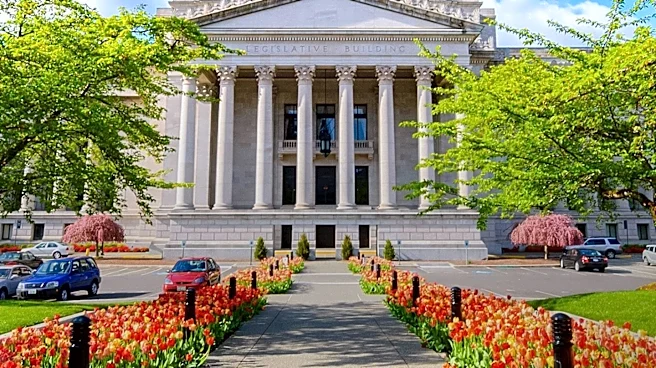
The State Superintendent's budget request will now go before the Washington State Legislature for consideration during the upcoming session. Lawmakers will debate the proposed $2 billion infusion, particularly the $1.2 billion allocated to basic education mandates and the additional funds for low-income student assistance and kindergarten transition programs. The outcome of these legislative discussions will determine the financial landscape for public schools across Washington. Local school boards and taxpayers will closely monitor the proceedings, as the decision will directly influence local levy amounts and the resources available for educational staffing and operations in their communities. The debate will likely center on the state's ability to meet its constitutional obligations for basic education amidst current economic conditions.
Beyond the Headlines
The recurring need for substantial state funding for public education, despite the McCleary decision, points to a deeper systemic issue in how Washington State finances its schools. The initial intent of the McCleary ruling was to create a stable, state-funded system that would reduce inequities and reliance on local property taxes. However, the current request suggests that external factors like inflation and the rising cost of hiring have eroded the effectiveness of previous reforms. This situation raises questions about the long-term sustainability of the state's education funding model and whether a more fundamental restructuring is needed to prevent future cycles of deficits and funding crises. It also underscores the ongoing tension between state mandates for education and the financial realities faced by local communities.