


What's Happening?
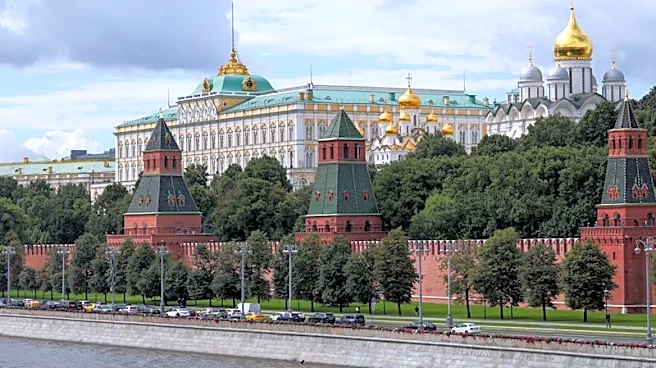
The Kremlin has admitted to making mistakes following criticism from influencer Viktoria Bonya, who accused Russian President Vladimir Putin of being out of touch with the country's issues. Bonya, a reality TV star living outside Russia, posted a video
criticizing officials for not providing Putin with accurate information about the country's problems. She highlighted the fear among ordinary citizens, bloggers, and artists, suggesting that the Russian people are under immense pressure from corrupt officials. Kremlin spokesman Dmitry Peskov acknowledged the popularity of Bonya's video and stated that work is being done on the issues raised. This admission comes as Russia faces scrutiny over its handling of various domestic issues and its ongoing military actions in Ukraine.
Why It's Important?
This development is significant as it marks a rare instance of the Kremlin admitting to mistakes, which could indicate a shift in how the Russian government addresses public criticism. The acknowledgment comes at a time when Russia is under international scrutiny for its actions in Ukraine and domestic policies. The criticism from Bonya, a public figure with a large following, highlights the growing discontent among Russian citizens and the potential for increased public pressure on the government. This situation could impact Russia's political landscape, especially with upcoming parliamentary elections, as it may influence public perception and voter behavior.
What's Next?
The Kremlin's response to Bonya's criticism may lead to further scrutiny of its domestic policies and handling of public dissent. As parliamentary elections approach, the government may face increased pressure to address the concerns raised by Bonya and other critics. The situation could also prompt the Kremlin to implement changes in its communication strategies and policy-making processes to better address public grievances. Additionally, the international community may continue to monitor Russia's actions closely, potentially affecting diplomatic relations and economic sanctions.