






What's Happening?
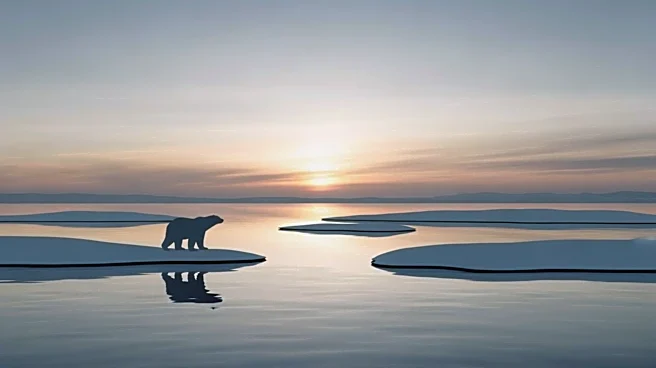
The small Alaska Native village of Kaktovik is working to revive its polar bear tourism industry, which was significantly impacted by the COVID-19 pandemic and federal restrictions on boat tours. Located in the Arctic National Wildlife Refuge, Kaktovik has
been a popular destination for tourists seeking to view polar bears, especially during the late summer when the bears gather to feed on whale carcasses. The tourism industry, which once attracted over 1,000 visitors annually, was halted due to concerns about the impact on the bears and the local community. Kaktovik leaders are now negotiating with the U.S. Fish and Wildlife Service to establish guidelines that would allow tourism to resume in a way that benefits the local economy while protecting the bears and the community's way of life.
Why It's Important?
Reviving polar bear tourism in Kaktovik is crucial for the local economy, providing a significant source of income for residents. The industry not only supports local businesses but also offers employment opportunities in a region with limited economic activities. However, the challenge lies in balancing economic benefits with the need to protect the polar bears and the community from the negative impacts of tourism. The discussions with federal authorities aim to create a sustainable model that ensures visitor safety and respects the cultural practices of the Native community. Successfully managing this balance could serve as a model for other communities facing similar challenges.
What's Next?
Kaktovik leaders are in ongoing discussions with the U.S. Fish and Wildlife Service to address concerns and potentially restart the tourism industry by 2027. Proposed changes include limiting the time boats can spend near the bears to prevent them from becoming accustomed to human presence, which could pose safety risks. The community is also considering marketing itself as a multi-day experience to encourage respectful and educational visits. These efforts aim to create a tourism model that benefits the local economy while preserving the natural and cultural heritage of the area.