





What's Happening?
A Climate Vulnerability Assessment Training course in Somalia is equipping organizations to address the impacts of drought, flooding, and water shortages. The training focuses on methods suitable for organizations working with drought-prone livelihoods,
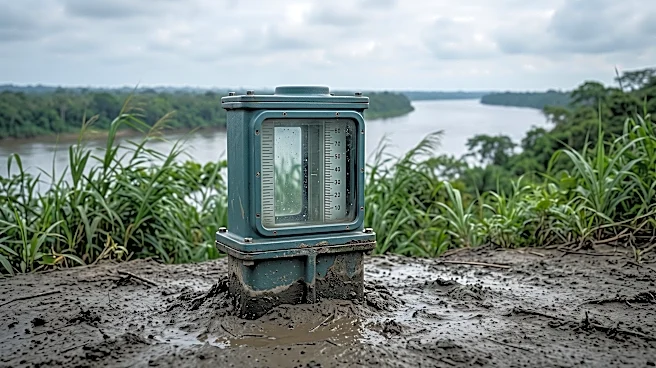
water access, displacement, infrastructure, food systems, and fragile supply chains. Participants learn to adapt stakeholder analysis, exposure mapping, and vulnerability scoring to local evidence, including community knowledge and program records. This initiative helps NGOs, government-linked programs, development contractors, agribusinesses, and private organizations convert disparate evidence into actionable decisions regarding resilience, continuity, and investment. The course covers defining assessments, consulting stakeholders, screening hazards, profiling exposed assets, and analyzing sensitivity and adaptive capacity. It also includes climate data interpretation, scenario testing, vulnerability scoring, and adaptation appraisal, enabling participants to prepare assessment reports and connect findings with program design and resource allocation.
Why It's Important?
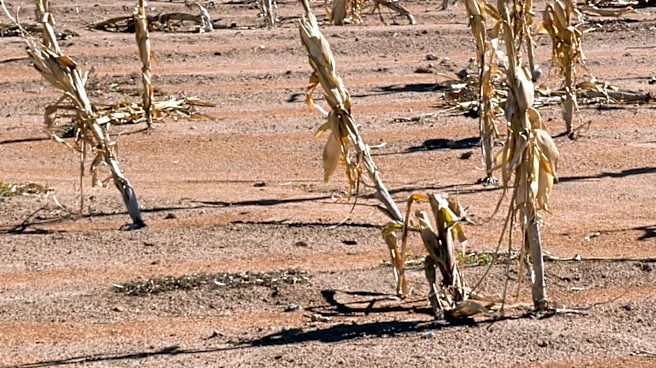
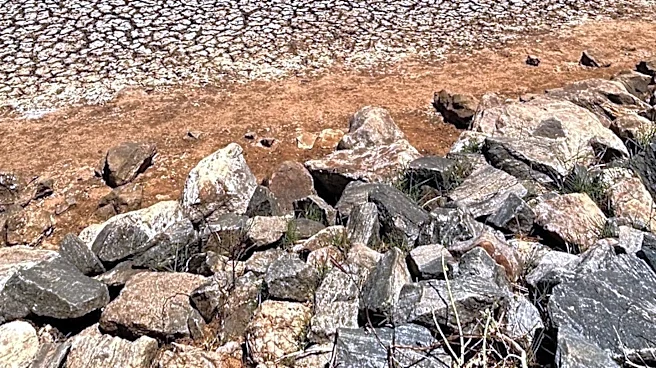
The training is crucial for Somalia, a country frequently affected by drought cycles, flash floods, and water stress, which disrupt humanitarian programs, infrastructure, agriculture, trade, and financial services. By providing a structured method for assessing climate risks, the course helps organizations make informed decisions that strengthen resilience and ensure continuity in operations. This is particularly vital for humanitarian and development actors who need to demonstrate how climate risks influence targeting, safeguarding, and delivery outcomes. Commercial operators also benefit from clearer evidence for continuity and investment decisions. The ability to combine local knowledge with socioeconomic evidence and climate data allows for a more nuanced understanding of vulnerability, leading to more effective and targeted interventions to protect livelihoods and infrastructure.
What's Next?
The trained organizations are expected to apply the learned methodologies to develop defensible assessment reports, explain uncertainties, compare practical responses, and integrate these findings into program design, procurement, monitoring, business continuity, and resource allocation within Somalia's operating environments. This will lead to more climate-sensitive agriculture, livestock management, water resource planning, transport, and urban services. The ongoing application of these assessment skills will likely result in improved resilience strategies and more effective investment decisions across various sectors, ultimately reducing the vulnerability of communities and supply chains to climate-related disruptions in Somalia.
Beyond the Headlines
The initiative highlights a broader shift towards integrating climate risk assessment into operational and strategic planning for organizations working in vulnerable regions. It underscores the ethical imperative for humanitarian and development actors to account for climate impacts in their work, moving beyond immediate hazard response to deeper vulnerability analysis. The training also promotes a more holistic approach to data utilization, combining scientific data with local and community knowledge, which can lead to more culturally appropriate and effective adaptation strategies. This model could serve as a blueprint for other regions facing similar climate challenges, emphasizing the importance of localized, evidence-based decision-making in building long-term resilience.