




What's Happening?
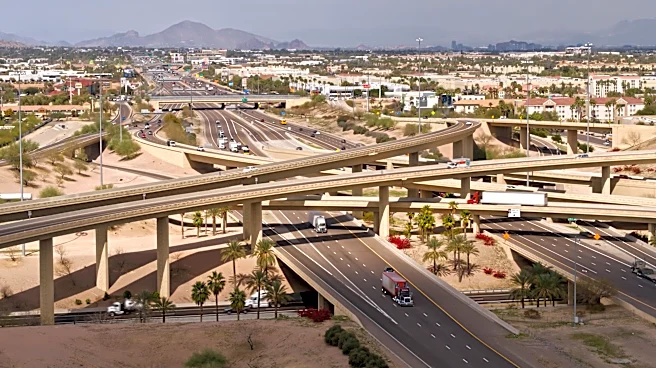
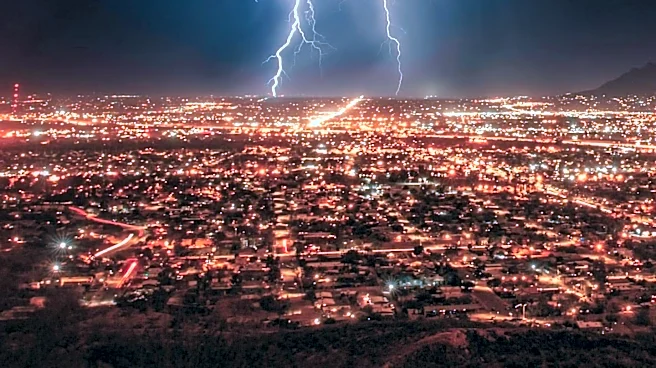
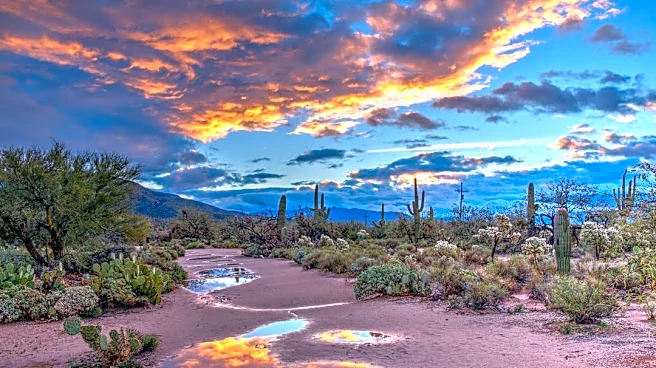
Phoenix, Arizona, a city characterized by a hot desert climate, experiences defining monsoon storms during its summer months, typically from late July into September. These storms bring heavy rain, wind, and lightning, and are a significant feature of
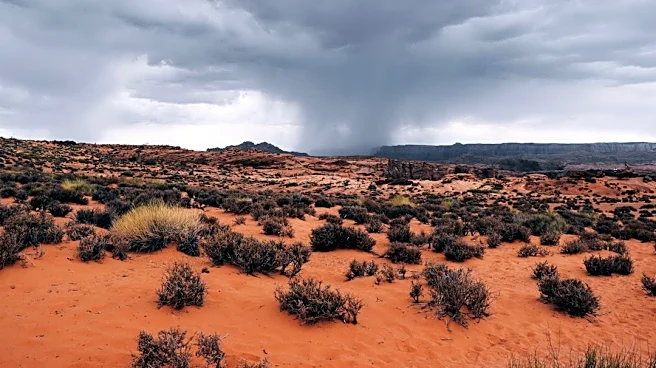
the local weather. The monsoons develop in the late afternoon or evening as the ground heats the air, causing moisture from the Gulf of California and the Gulf of Mexico to converge. This atmospheric collision results in thunderstorms capable of delivering over an inch of rain in an hour, frequently leading to flash flooding in low-lying areas. Residents are consistently advised to avoid driving through flooded roadways due to the dangers posed by these events. The National Weather Service regularly issues flash flood warnings during these summer storms, underscoring the power of desert water. While August is the heart of the rainy season, July also sees the onset of monsoon humidity. The city receives an average of just over 8 inches of rain annually, with the majority occurring during the summer monsoon season.
Why It's Important?
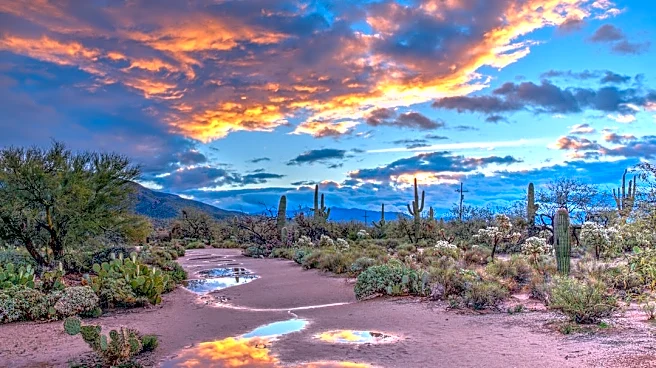
The monsoon season in Phoenix is critically important for several reasons, primarily due to its impact on public safety, infrastructure, and daily life. The rapid and intense rainfall can cause dangerous flash floods, posing a direct threat to residents and visitors who may be caught in flooded areas or attempt to drive through them. This necessitates continuous public awareness campaigns and emergency service preparedness. Economically, the storms can disrupt transportation, damage property, and impact outdoor businesses and events. For urban planning, the prevalence of flash flooding requires robust stormwater management systems and careful development in flood-prone zones. The monsoons also play a vital role in the desert ecosystem, providing much-needed moisture, though often in a concentrated and potentially destructive manner. Understanding these weather patterns is essential for both long-term urban development and short-term operational decisions, influencing everything from construction schedules to tourism planning, as the summer heat and monsoon risks contrast sharply with the mild, desirable conditions of winter and spring.
What's Next?
As Phoenix continues to experience its summer months, residents and visitors should anticipate ongoing monsoon activity, particularly from late July through September. The National Weather Service will likely continue to issue flash flood warnings, and local authorities will reiterate safety advisories, especially regarding flooded roadways. Planning for outdoor activities will require careful consideration of daily weather forecasts, with recommendations to schedule activities for early morning or late evening to avoid both extreme heat and potential afternoon storms. Emergency services will remain on alert for flood-related incidents. In the longer term, urban planners and infrastructure developers will need to continue integrating flood mitigation strategies into city development to manage the impacts of these intense, seasonal rainfall events. Public education campaigns about monsoon safety are also expected to persist, aiming to minimize risks associated with the heavy rains and flash flooding.
Beyond the Headlines
The recurring monsoon season in Phoenix highlights a broader challenge faced by rapidly growing urban centers in arid and semi-arid regions: managing the dual extremes of intense heat and sudden, heavy rainfall. While often perceived as dry, these desert environments can be highly susceptible to flash flooding due to hard, non-absorbent ground and rapid runoff. This situation underscores the critical need for resilient urban design, including permeable surfaces, effective drainage systems, and green infrastructure, to better manage water resources and mitigate flood risks. Furthermore, the increasing intensity of extreme weather events, potentially linked to climate change, could exacerbate these challenges, placing greater strain on existing infrastructure and emergency response capabilities. The Phoenix monsoon serves as a case study for how cities must adapt to and prepare for unpredictable and powerful natural phenomena, balancing urban expansion with environmental realities and public safety.