
What's Happening?
The National Police Association (NPA) is advocating for the House of Representatives to pass the Fighting Post-Traumatic Stress Disorder Act of 2025 (S. 825). This legislation, introduced by Senator Chuck
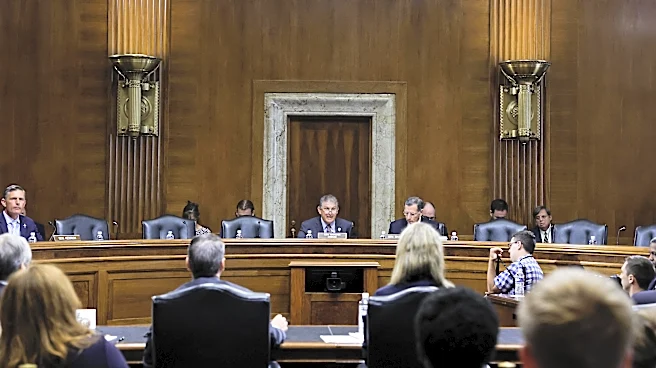
Grassley (IA) and co-sponsored by a bipartisan group of lawmakers, aims to enhance access to mental health treatment for police officers and other first responders. The Senate already passed S. 825 by voice vote on June 10, 2026, and it is currently awaiting action in the House. The bill mandates the Department of Justice (DOJ) to propose at least one treatment and preventative care option for job-related post-traumatic stress disorder (PTSD) and acute stress disorder (ASD), with an emphasis on evidence-based care, peer support, professional counseling, and family support. The Attorney General, in conjunction with the Director of the Office of Community Oriented Policing Services (COPS), would submit a report to the Senate and House Judiciary Committees, incorporating input from law enforcement agencies, police families, and other stakeholders.
Why It's Important?
The passage of the Fighting Post-Traumatic Stress Disorder Act is crucial for addressing the significant mental health challenges faced by police officers and first responders across the U.S. These individuals are frequently exposed to traumatic events, leading to a higher incidence of PTSD and ASD compared to the general population. Many police agencies lack the financial resources to provide adequate mental health services, and officers often face stigma and fear of career repercussions when seeking help. This legislation seeks to bridge these gaps by establishing a DOJ program that would offer confidential and accessible treatment options. By doing so, it aims to improve the well-being of law enforcement personnel, potentially reducing issues such as substance abuse and despair, and ensuring that those who serve the public in critical roles receive the necessary support to maintain their mental health. The NPA's endorsement highlights the urgency and importance of this bill for the law enforcement community.
What's Next?
The immediate next step for the Fighting Post-Traumatic Stress Disorder Act is for the House of Representatives to schedule a vote on the bill, which has already passed the Senate. The National Police Association is actively urging the House to take this action. If the House passes S. 825, it would then proceed to the President for signature into law. Upon enactment, the Department of Justice, in collaboration with the Office of Community Oriented Policing Services, would be tasked with developing and implementing the required treatment and preventative care options. This would involve gathering input from various stakeholders, including law enforcement agencies and police families, to ensure the program effectively addresses the needs of first responders. The successful implementation of this act could lead to a nationwide improvement in mental health support systems for police officers.
Beyond the Headlines
Beyond the immediate benefits of improved mental health services for first responders, the Fighting Post-Traumatic Stress Disorder Act could catalyze a broader cultural shift within law enforcement regarding mental health. By establishing a federal framework and emphasizing confidentiality, the act may help destigmatize mental health issues among officers, encouraging more individuals to seek help without fear of professional repercussions. This could lead to a more resilient and effective police force, as officers better equipped to manage the psychological toll of their duties are likely to perform better and experience improved quality of life. Furthermore, the bill's focus on evidence-based care and family support acknowledges the systemic nature of trauma and the importance of holistic approaches to recovery. This legislative effort could also set a precedent for similar initiatives in other high-stress professions, highlighting a growing recognition of occupational mental health as a critical public policy concern.