






What's Happening?
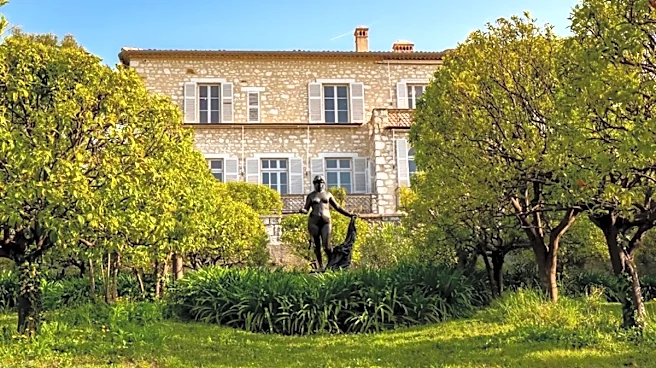
French investigators have successfully recovered two stolen Renoir paintings, 'Portrait of Madame Colonna Romano' and 'Young Woman at the Well,' and arrested four individuals in connection with the September 8 theft from the Renoir Museum in Cagnes-sur-Mer.
The paintings, valued at 4.2 million euros ($4.7 million), were found hidden behind a cinder block wall in a suspect's home. The breakthrough in the investigation came from DNA evidence found on a protective sleeve left behind by the thieves, which matched a 29-year-old man already under investigation for drug trafficking. Vehicle tracking data further linked this suspect and a 41-year-old man to the home where the paintings were concealed. Police surveillance also revealed the 29-year-old suspect visited the Maeght Foundation, a modern art collection, suggesting preparations for another heist. The theft involved cutting through a fence with an electric saw and removing frames, with an alarm sounding four minutes later, causing the perpetrators to abandon two of the four targeted paintings.
Why It's Important?
This case highlights the persistent vulnerability of cultural institutions to organized criminal groups and the increasing sophistication of law enforcement in combating art theft through forensic science and digital tracking. The recovery of the Renoir paintings, despite some damage, underscores the importance of rapid response and advanced investigative techniques in preserving cultural heritage. The incident also renews concerns about museum security in France, especially following the high-profile theft of crown jewels from the Louvre Museum last year. Christian Sainte, national director of judicial police, noted that France is frequently targeted by organized groups for valuable cultural objects. The successful use of DNA and vehicle tracking sets a precedent for future investigations, potentially deterring criminals and improving the chances of recovering stolen artworks, which often hold immense historical and monetary value.
What's Next?
The two men suspected of carrying out the museum theft have been preliminarily charged with 'theft committed by an organized gang' and 'criminal association' and are being held in prison pending further investigation. The third suspect, who admitted to hiding the paintings, and a fourth suspect, known for prior art theft and forgery cases, have been charged with 'concealment' of stolen paintings and released under judicial supervision, barred from leaving France. The recovered Renoir paintings, 'Portrait of Madame Colonna Romano' and 'Young Woman at the Well,' will undergo examination and necessary restoration work by specialists in Marseille, under the scientific supervision of the Musée d’Orsay, before their eventual return to public display. Authorities are also investigating the potential for a planned second heist, as indicated by the main suspect's reconnaissance visit to the Maeght Foundation.
Beyond the Headlines
The successful resolution of this art theft case, particularly the use of DNA and vehicle tracking, signifies a broader trend in criminal investigations where digital footprints and biological evidence are becoming indispensable tools. This incident also brings to light the ongoing debate about the balance between public accessibility to art and the need for stringent security measures in museums. The damage sustained by the paintings, though repairable, underscores the inherent risks associated with such thefts, where the primary goal of criminals is often financial gain, with little regard for the artistic or historical integrity of the objects. The repeated targeting of French cultural sites by organized groups suggests a lucrative black market for stolen art, prompting calls for increased funding and enhanced security protocols across the country's numerous museums and heritage sites to protect these irreplaceable treasures.