






What's Happening?
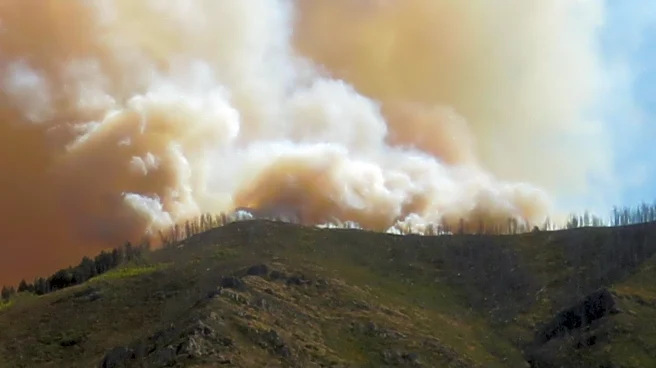
Greece has deployed a new satellite detection system to help combat the country's severe wildfire season. This technology aims to provide early detection of fires, allowing for quicker response times to prevent large-scale disasters. The system was launched
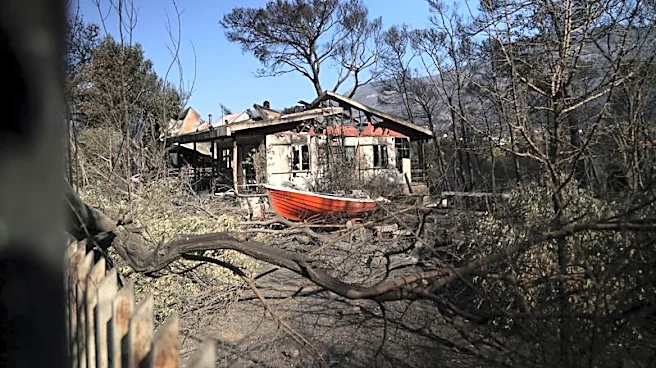
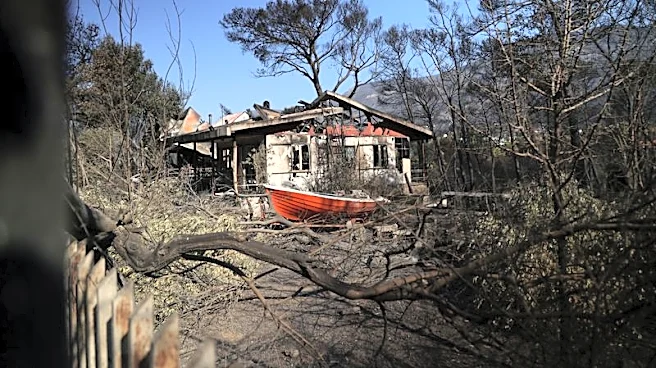
in May and includes four dedicated satellites that monitor the Greek landscape for potential fire hotspots. This initiative comes in response to past tragedies, such as the 2018 Mati wildfire, which resulted in significant loss of life and property. The Greek government hopes that this advanced technology will mitigate the impact of wildfires, which have been exacerbated by climate change and human error.
Why It's Important?
The deployment of satellite technology represents a significant advancement in Greece's efforts to manage and prevent wildfires. This initiative could serve as a model for other countries facing similar challenges, particularly in regions prone to wildfires due to climate change. The ability to detect fires early can save lives, protect property, and preserve natural resources. Moreover, this technology highlights the potential of using space-based systems for environmental monitoring and disaster management, offering a proactive approach to a growing global issue.
What's Next?
As the wildfire season continues, Greek authorities will monitor the effectiveness of the satellite system in real-time. The success of this initiative could lead to further investments in similar technologies and collaborations with other countries facing wildfire threats. Additionally, the Greek government may consider expanding the system's capabilities or integrating it with other disaster management tools. The ongoing evaluation of this technology's impact will be crucial in determining its long-term viability and potential adoption by other nations.