
What's Happening?
President Trump expressed surprise at Iran's decision to target U.S. allies in the Gulf, following a U.S. strike on Iran's Kharg Island. In an interview, Trump described the Gulf countries as 'terrific' and noted that they were 'shot at unnecessarily.'
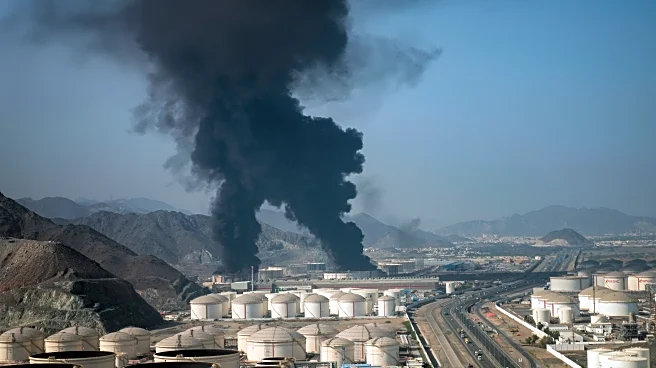
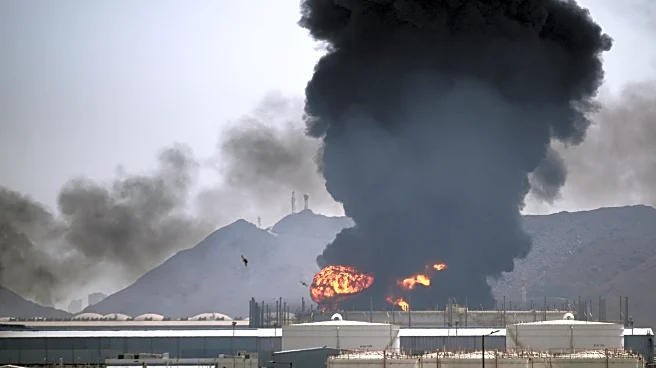
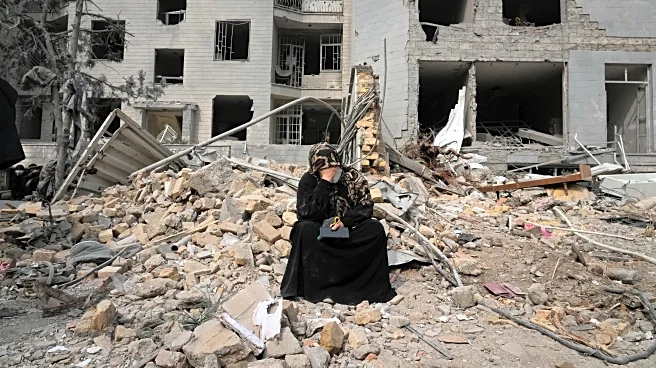
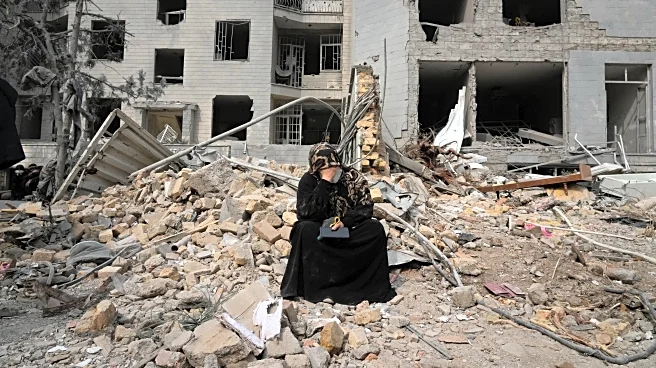
The U.S. has long-standing military partnerships with Gulf nations such as Bahrain, Kuwait, Saudi Arabia, the UAE, Qatar, and Oman, which have allowed American military presence on their soil. These countries are now facing increased threats from Iran, which has launched numerous drone and missile attacks on their infrastructure. The situation has raised concerns among Gulf states about their involvement in a conflict they did not initiate.
Why It's Important?
The escalation of tensions between Iran and the U.S., with Gulf countries caught in the crossfire, has significant implications for regional stability and international relations. The Gulf states, key allies of the U.S., are critical to global energy markets and geopolitical strategies. Their involvement in the conflict could disrupt oil supplies and heighten security risks in the region. The U.S.'s response and its ability to protect its allies will be closely watched by international observers, potentially affecting diplomatic relations and military strategies in the Middle East.
What's Next?
The ongoing conflict may lead to further military engagements and diplomatic efforts to de-escalate tensions. Gulf countries might seek reassurances from the U.S. regarding their security and explore diplomatic channels to mitigate the threat from Iran. The international community, including organizations like the United Nations, may become more involved in seeking resolutions to prevent further escalation. The situation also poses challenges for U.S. foreign policy, as it balances military actions with diplomatic negotiations.