



What's Happening?
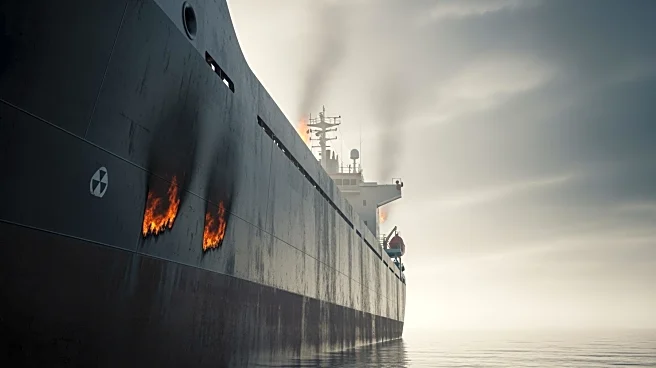
An explosion occurred on the MSC-operated container ship MSC Giada III as it approached St Petersburg in Russia's Neva Bay. The explosion took place in the engine room, leading to a fire that spread to the deck superstructure. The Liberia-flagged vessel,
which was en route from Belgium, had 22 crew members on board at the time, but no injuries were reported. Emergency response teams, including the rescue vessel Spasatel Karev and the icebreaker Semyon Dezhnev, were dispatched to manage the situation. The fire was controlled within a few hours, and the ship was towed to the port of St Petersburg for inspection. The incident has drawn attention due to the heightened scrutiny of shipping traffic to Russian ports in the Gulf of Finland.
Why It's Important?
The incident highlights the risks associated with maritime operations, particularly in regions with increased geopolitical tensions. The explosion and subsequent fire could have led to significant environmental damage if the ship's hull had been compromised or if there had been a fuel leak. The quick response by emergency teams prevented further escalation, underscoring the importance of effective maritime safety protocols. This event may prompt shipping companies to review their safety measures and emergency response strategies, especially when operating in sensitive or high-risk areas. Additionally, the incident could influence regulatory bodies to impose stricter safety standards for vessels operating in the region.
What's Next?
Following the incident, the MSC Giada III will undergo a thorough inspection to assess the damage and determine the cause of the explosion. The findings could lead to recommendations for improving safety measures on similar vessels. Shipping companies operating in the Gulf of Finland may face increased inspections and regulatory scrutiny to ensure compliance with safety standards. The incident may also prompt discussions among maritime authorities about enhancing cooperation and response capabilities in the region to prevent and manage similar occurrences in the future.