


What's Happening?
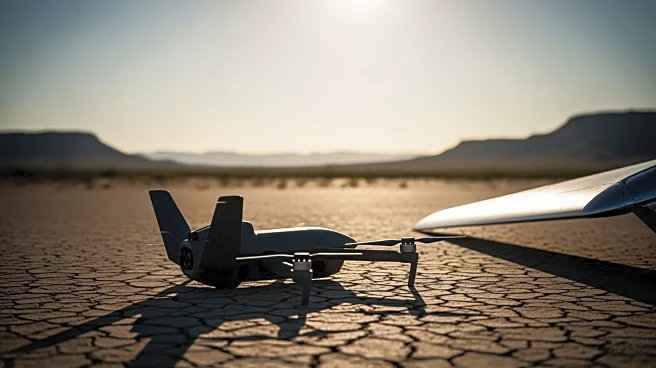
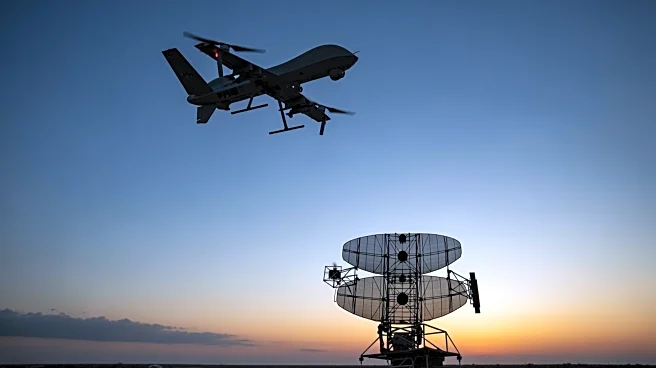
The U.S. military recently used a laser weapon to shoot down a small drone belonging to Customs and Border Protection (CBP) over southwest Texas. This incident, involving the AeroVironment LOCUST directed energy weapon, has led to expanded airspace restrictions
in the Fort Hancock area. The event has sparked concerns about the coordination between military and civilian agencies, as well as the safety of using such technology in domestic airspace. The FAA has expressed worries about the operational deployment of counter-drone laser weapons along the border.
Why It's Important?
This incident highlights the challenges and risks associated with deploying advanced military technology in civilian areas. The use of laser weapons for counter-drone operations raises significant safety and coordination concerns, particularly regarding potential collateral damage and the impact on civilian airspace. The situation underscores the need for clear policies and communication between military and civilian agencies to ensure public safety and effective border security operations.
What's Next?
The expanded airspace restrictions will remain in place for four months, allowing time for further assessment and coordination between the involved agencies. The incident may prompt a review of current policies regarding the use of directed energy weapons in domestic settings. Lawmakers and regulatory bodies are likely to scrutinize the incident to prevent future occurrences and ensure that safety protocols are in place.