









What's Happening?
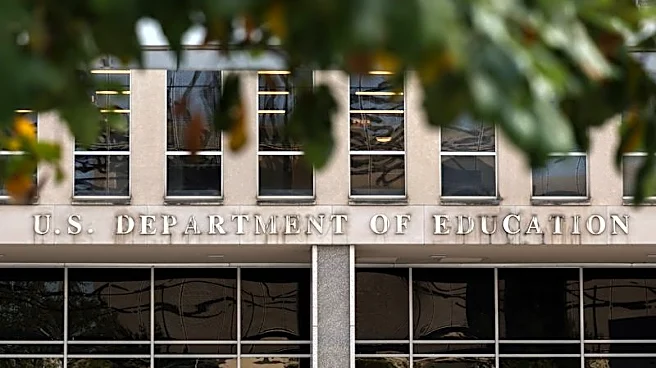
The U.S. Department of Education is undergoing significant changes in its handling of civil rights enforcement and special education, as announced recently. The Department of Justice will now oversee civil rights enforcement in schools, while the Department of Health
and Human Services will manage special education. This restructuring is part of President Trump's campaign promise to dismantle the Education Department. Linda McMahon, the education secretary, supports these changes as a means to better assist families with children who have disabilities. However, parents and advocates express concerns that these changes could exacerbate existing issues within the system. The backlog of unresolved cases has grown since President Trump took office, and many fear that the new structure will lead to further delays and inefficiencies.
Why It's Important?
This development is crucial as it affects the education and rights of children with disabilities across the United States. The shift in oversight could lead to a fragmented approach to handling special education and civil rights issues, potentially leaving gaps in service and support for affected families. The move has sparked bipartisan concern in Congress, with some lawmakers pledging to introduce legislation to prevent the transfer of special education oversight to the Department of Health and Human Services. The changes could impact how quickly and effectively families can resolve issues related to discrimination and access to appropriate educational resources.
What's Next?
In response to these changes, there is likely to be legislative action from both Republican and Democratic senators who oppose the transfer of special education oversight. They aim to keep these responsibilities within the Department of Education or move them to a more suitable agency, such as the Department of Labor. Additionally, families and advocacy groups may continue to seek alternative avenues for addressing their concerns, such as state-level interventions. The effectiveness of these changes will be closely monitored by stakeholders, including disability rights organizations and education policy experts.
Beyond the Headlines
The restructuring raises broader questions about the role of federal agencies in managing education and civil rights. It highlights the challenges of ensuring cohesive and effective support for students with disabilities, who often require tailored educational plans and resources. The move also underscores the ongoing debate about the federal government's role in education and the potential consequences of decentralizing oversight. As these changes unfold, they may prompt a reevaluation of how best to serve the needs of students with disabilities within the U.S. education system.