



What's Happening?
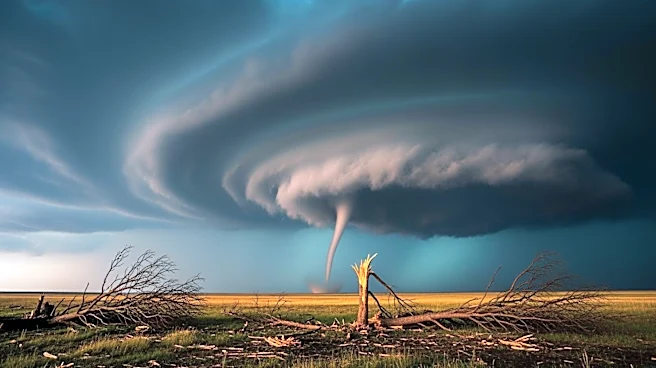
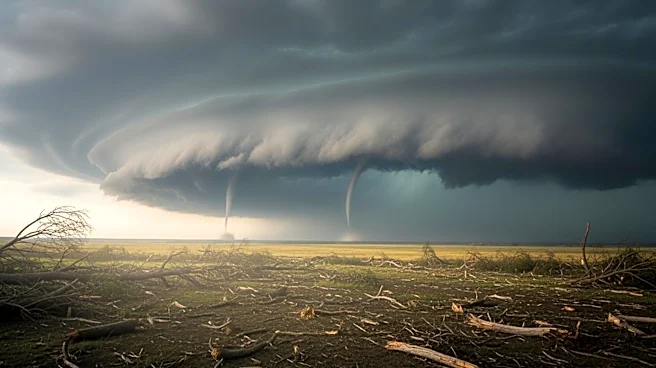
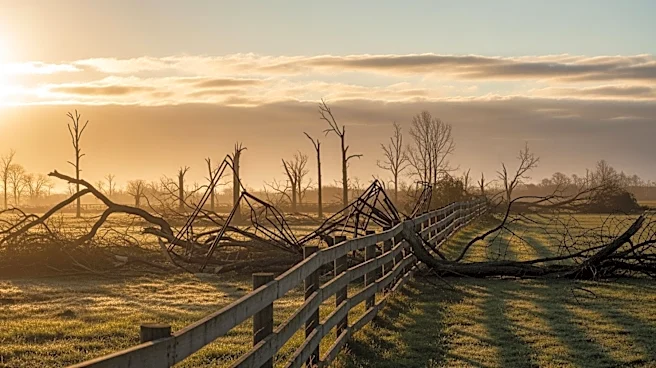
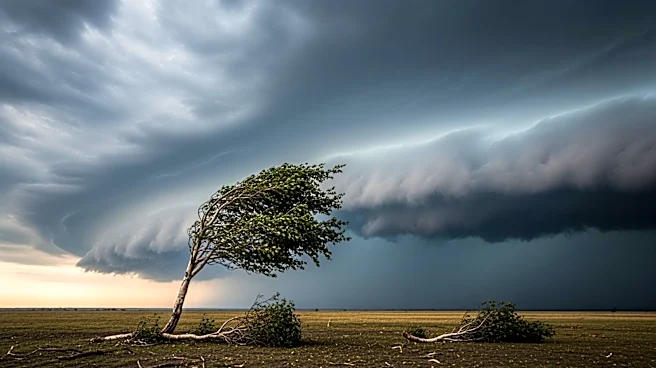
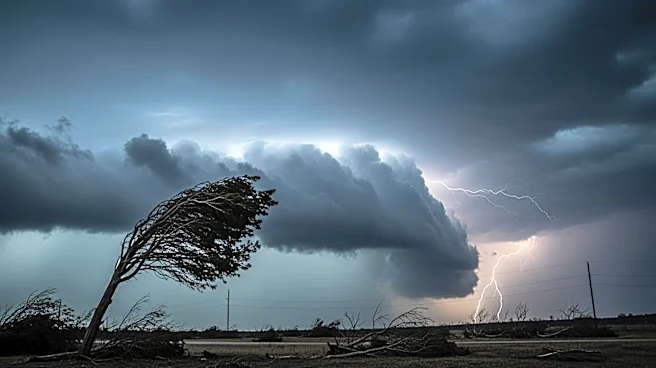
Communities across the Upper Midwest are engaged in cleanup efforts following a series of tornadoes and severe weather that struck the region over the weekend. The National Weather Service reported numerous severe storms across Iowa, Illinois, and Missouri,
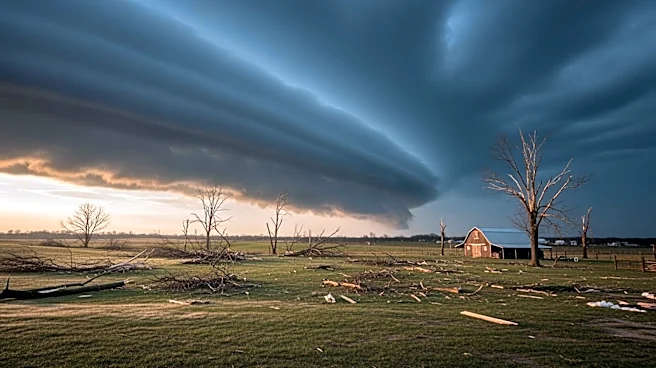
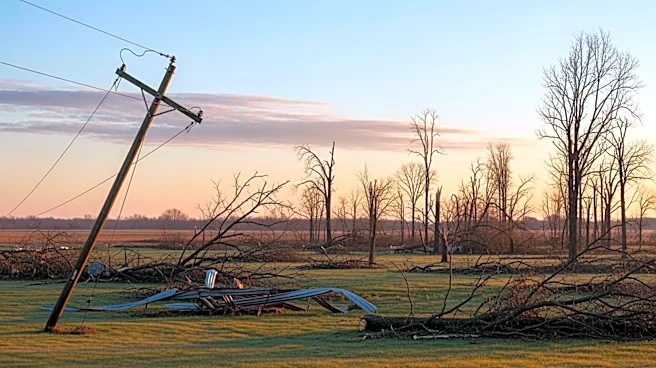
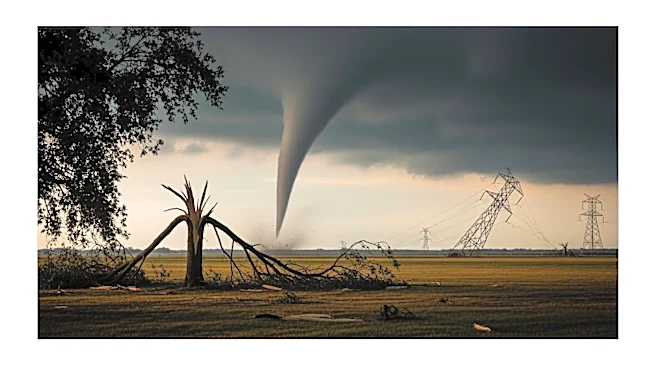
with at least 66 tornado reports submitted in multiple states including Oklahoma, Illinois, Missouri, Wisconsin, and Iowa. The storms resulted in significant property damage, with dozens of homes destroyed and power outages affecting tens of thousands. In Minnesota's Marion Township, about 30 homes were damaged, and a temporary shelter has been set up in Rochester for displaced residents. Illinois saw a disaster emergency declared in McClean County due to severe storms, while in Lena, an EF-2 tornado caused extensive damage. Despite the destruction, no fatalities or serious injuries have been reported.
Why It's Important?
The severe weather and tornado outbreak highlight the vulnerability of the Midwest to extreme weather events, which can have significant impacts on local communities. The damage to homes and infrastructure necessitates substantial recovery efforts and resources, affecting local economies and residents' livelihoods. The widespread power outages and property damage underscore the need for robust emergency response systems and infrastructure resilience. The event also raises awareness about the potential increase in frequency and intensity of such weather events, possibly linked to broader climate change patterns, prompting discussions on preparedness and mitigation strategies.
What's Next?
As cleanup efforts continue, local authorities and emergency services are focused on restoring normalcy and providing support to affected residents. Power restoration and debris removal are immediate priorities, while longer-term recovery will involve rebuilding damaged homes and infrastructure. The American Red Cross and other organizations are providing assistance, including meals and shelter. The event may prompt further discussions on improving weather forecasting and emergency response systems to better prepare for future incidents. Additionally, there may be increased advocacy for policies addressing climate resilience and infrastructure investment.