





What's Happening?
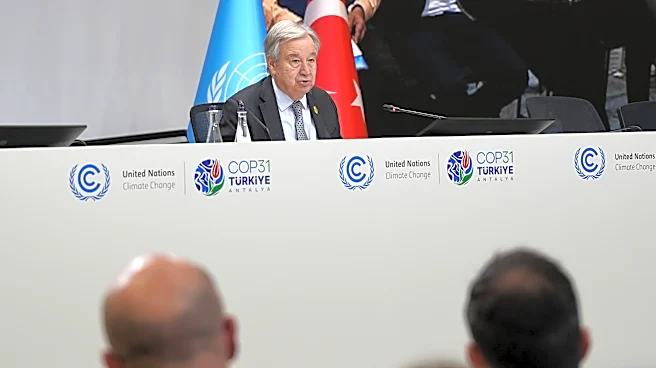
The New York State Energy Research and Development Authority (NYSERDA) and the Danish Ministry of Climate, Energy and Utilities have announced an expanded cooperative agreement. This new agreement, unveiled at the 2026 United Nations Climate Change Conference
(COP31) in Antalya, Türkiye, aims to further collaboration on developing renewable energy and energy efficiency solutions. It builds upon a working relationship established in 2018, which initially focused on offshore wind energy and was expanded in 2021 to include green hydrogen. The expanded agreement will facilitate coordination and planning for long-term energy system flexibility in New York State and Denmark, focusing on thermal energy networks, energy efficiency, demand flexibility, decarbonization, and innovative advanced fuels. NYSERDA President and CEO Doreen M. Harris highlighted the nearly decade-long partnership's role in exploring and developing innovative technologies for New York State's energy transition. Denmark’s Climate Ambassador Mr. Ole Thonke emphasized the renewal and broadening of this partnership as a vital transatlantic bridge for tangible progress in shared clean energy ambitions.
Why It's Important?
This expanded cooperative agreement is significant for New York State's energy transition and its broader climate goals. By collaborating with Denmark, a leader in clean energy, New York can leverage international expertise and best practices to accelerate the deployment of renewable energy and energy efficiency solutions. The focus on thermal energy networks, energy efficiency, demand flexibility, and innovative fuels directly supports Governor Hochul’s leadership in reducing reliance on fossil fuels and creating a sustainable and affordable energy future for New Yorkers. This partnership can lead to the development of replicable models for contract structures and port systems, particularly for offshore wind energy, which can benefit the growing industry across the U.S. The agreement also aims to create jobs and foster economic growth within New York by advancing clean heating and cooling technologies. Furthermore, it demonstrates the power of international leadership in addressing climate change, showcasing how shared ambitions can translate into concrete progress on both sides of the Atlantic, potentially influencing other states or nations to pursue similar collaborations.
What's Next?
The expanded agreement will lead to continued information sharing, research, and the development of best practices between NYSERDA and the Danish Energy Ministry. Specific areas of exploration include the viability, pricing, and whole-system benefits for district heating and thermal energy in New York State, as well as the use of excess heat from industrial facilities. The collaboration will also delve into regulatory frameworks for increased adoption of energy efficiency and decarbonization technologies across various sectors, and strategies to encourage market development for bio-based and alternative fuels. These efforts are expected to inform new clean energy and energy efficiency strategies, ultimately benefiting New Yorkers by reducing energy demand, lowering operating costs, and improving affordability. The ongoing partnership is poised to contribute to New York's Clean, Highly Affordable, Reliable Grid Expansion (CHARGE) agenda, which aims for a reliable, zero-emission grid while driving down consumer costs and building a clean economy.
Beyond the Headlines
This collaboration extends beyond immediate energy solutions, touching upon deeper implications for international cooperation and policy development. The partnership underscores the ethical imperative of developed nations to lead in climate action and share technological advancements to combat global warming. It highlights a shift towards integrated energy systems, where thermal energy networks and demand flexibility play crucial roles in optimizing energy use and integrating variable renewable sources. The focus on innovative fuels also points to the long-term strategic importance of decarbonizing hard-to-electrify sectors, which is a significant challenge in achieving net-zero emissions. Culturally, such international agreements foster a sense of shared responsibility and collective action against climate change, potentially influencing public perception and encouraging greater adoption of sustainable practices. Legally, the agreement could set precedents for future international energy partnerships, demonstrating effective models for cross-border policy alignment and technological transfer in the pursuit of environmental sustainability.