






What's Happening?
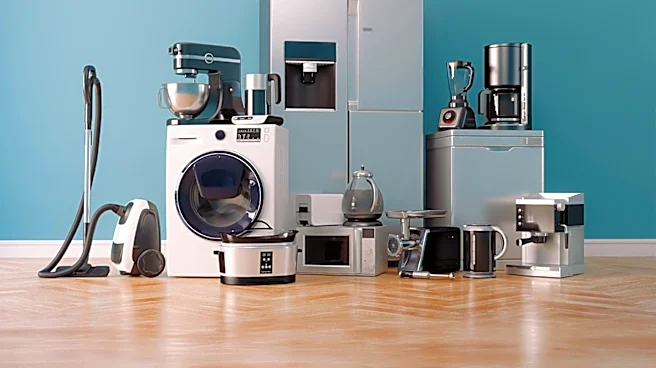
A new European right to repair law has come into effect, mandating that manufacturers offer repair services and reasonably priced parts for a range of appliances. This law applies to products such as washing machines, dishwashers, refrigerators, and smartphones,
among others. The legislation aims to extend the lifespan of these products by requiring manufacturers to prioritize repairs over replacements during the warranty period and to provide repair services at reasonable costs outside of warranty. However, some popular products like toasters and coffee machines are not yet covered by the law. The directive also prohibits serialization practices that complicate component replacement.
Why It's Important?
The implementation of this law marks a significant shift towards sustainability and consumer rights in Europe. By encouraging repairs over replacements, the law aims to reduce electronic waste and promote a circular economy. This could lead to cost savings for consumers and a reduction in environmental impact. The law also sets a precedent that could influence similar legislation in other regions, including the U.S., where right to repair movements are gaining momentum. Manufacturers may need to adjust their business models to comply with these new regulations, potentially leading to increased transparency and consumer trust.
What's Next?
As the law takes effect, its impact on manufacturers and consumers will be closely monitored. The European Union may expand the list of covered products in the future, and other countries could adopt similar measures. The effectiveness of the law will depend on its enforcement across EU member states, and advocacy groups like Right To Repair Europe will likely continue to push for broader application and stricter compliance. The law's success could drive further legislative efforts to enhance product repairability and sustainability worldwide.