

What's Happening?
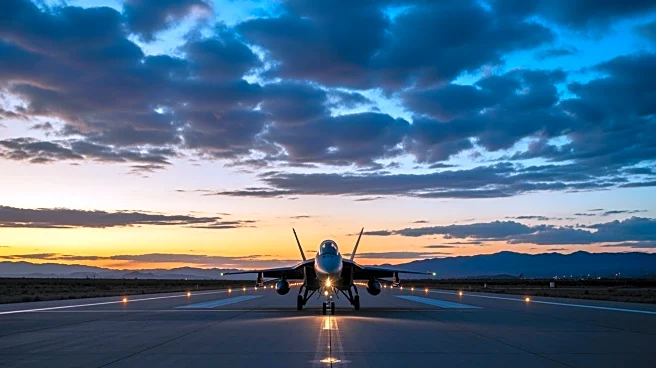
Mossad, Israel's national intelligence agency, has launched a Farsi-language Telegram channel aimed at providing news updates to Iranians, particularly those opposing the current regime. This development follows a series of surprise attacks by the Israeli
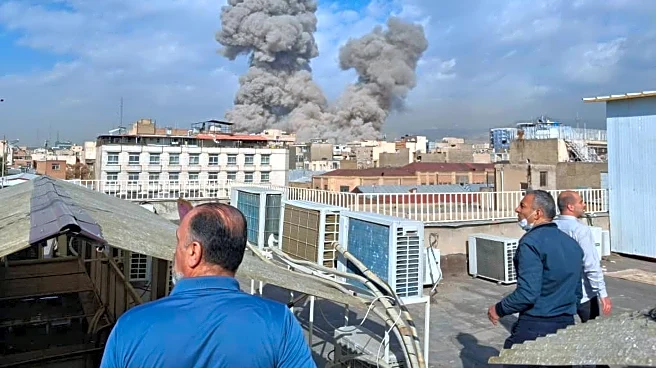
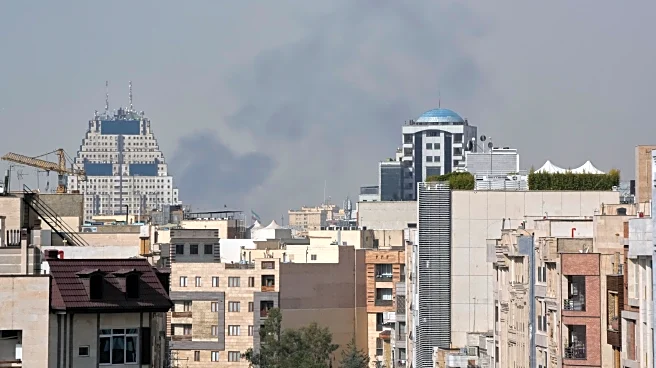
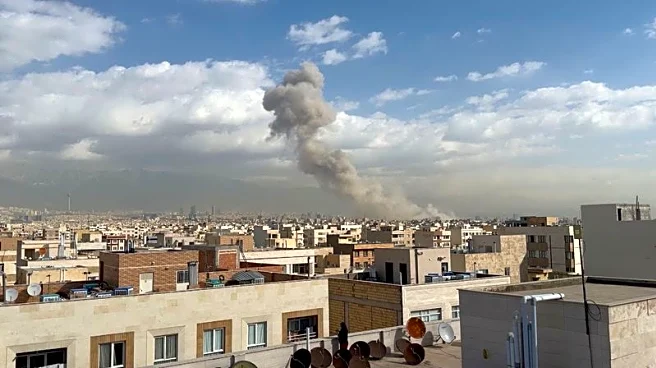
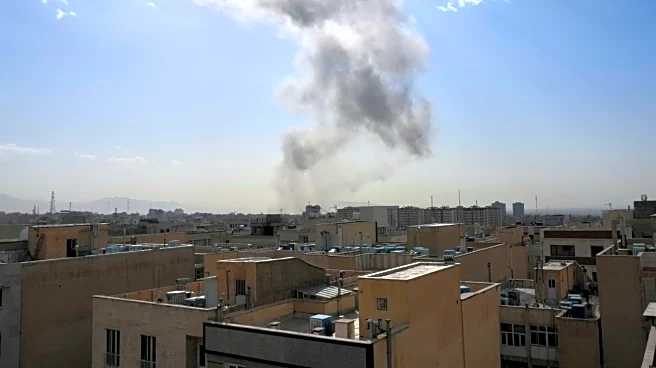
Defense Forces (IDF) on Iran, part of an operation named Shield of Judah. The channel is intended to be a secure platform for Iranians to receive information and share media related to their opposition to the regime. Mossad's message to Iranians emphasized solidarity, urging them to 'take care of themselves' while encouraging the sharing of photos and videos of their 'just struggle against the regime.' Concurrently, Iranian state media reported explosions in several cities, including Tehran and Isfahan, and confirmed that Supreme Leader Ayatollah Ali Khamenei has been moved to a secure location.
Why It's Important?
The launch of this Telegram channel by Mossad signifies a strategic move in the ongoing geopolitical tensions between Israel and Iran. By providing a platform for anti-regime Iranians, Israel is potentially fostering internal dissent within Iran, which could destabilize the current regime. This move also highlights the increasing use of digital platforms in modern intelligence and warfare strategies. The IDF's military actions and Mossad's digital outreach could escalate tensions in the region, impacting international relations and security dynamics. For the U.S., a key ally of Israel, these developments could influence foreign policy decisions and military strategies in the Middle East.
What's Next?
The situation is likely to evolve as both Israel and Iran respond to these developments. Iran may increase its security measures and counter-intelligence efforts to mitigate the impact of Mossad's digital outreach. Internationally, there could be diplomatic repercussions, with countries potentially calling for de-escalation to prevent further conflict. The U.S. and other global powers may engage in diplomatic efforts to manage the situation, balancing their strategic interests in the region with the need to maintain stability.
Beyond the Headlines
This development underscores the growing role of technology and social media in geopolitical conflicts. The use of a messaging platform like Telegram by an intelligence agency highlights a shift towards digital warfare, where information dissemination and psychological operations play crucial roles. This could set a precedent for future conflicts, where digital platforms become battlegrounds for influence and control. Additionally, the ethical implications of such strategies, including the potential for misinformation and the impact on civilian populations, warrant careful consideration.