








What's Happening?
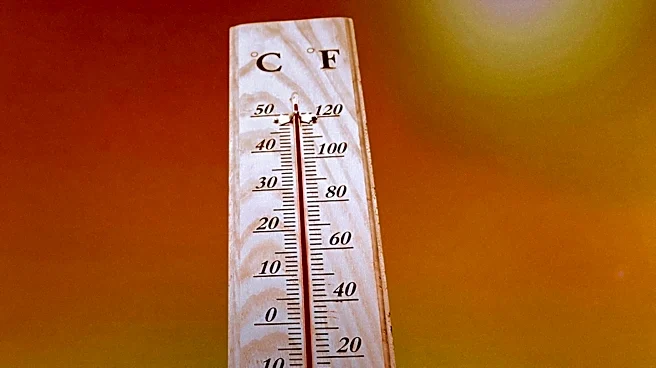
A severe heat wave is moving from the north-central U.S. to the Northeast, affecting over 125 million Americans with extreme heat warnings and advisories. The National Weather Service has indicated that this heat wave could break daily temperature records
and approach monthly and all-time highs. In addition to the heat, southwest Texas is facing a significant flood threat due to heavy rainfall. The heat index in many areas is reaching triple digits, posing health risks to those without adequate cooling or hydration. The Northeast is expected to experience the most intense heat on Wednesday, with relief anticipated by the end of the week.
Why It's Important?
The heat wave presents serious health risks, particularly for vulnerable populations such as the elderly and those without access to air conditioning. The economic impact includes increased energy consumption and potential strain on power grids. The agricultural sector may also be affected, with heat stress impacting crop yields and livestock. Public health advisories emphasize the importance of staying hydrated and limiting outdoor activities during peak heat hours. The situation highlights the need for infrastructure resilience and climate adaptation strategies.
What's Next?
Authorities are likely to maintain or extend heat advisories and warnings as the heat wave continues. Emergency services may be on high alert for heat-related illnesses, and public cooling centers could see increased usage. The situation may prompt discussions on infrastructure resilience and climate adaptation strategies. In the coming days, the Northeast is expected to see some relief as temperatures cool, but this will coincide with an increased chance of storms, which could bring their own set of challenges.