



What's Happening?
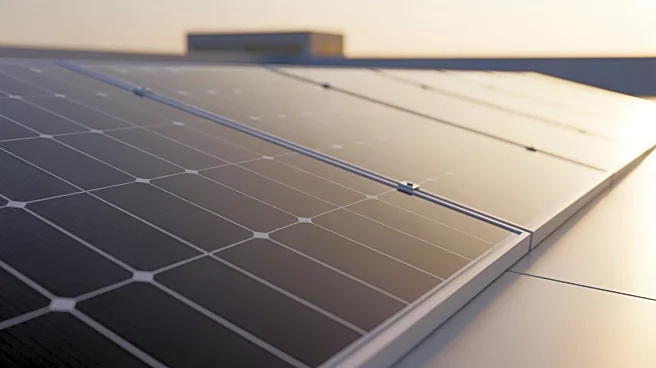
Across the United States, individuals are increasingly adopting small plug-in solar panels as a cost-effective alternative to traditional rooftop solar systems. These compact solar kits, which can be installed in less than an hour, offer a more affordable
option for generating electricity. The trend, already popular in Germany, is gaining traction in the U.S., particularly among retirees and those living on fixed incomes who find the upfront costs of rooftop systems prohibitive. The plug-in panels are mounted on balconies, backyard walls, or carports and plugged into standard outlets, allowing users to generate their own electricity. Despite their growing popularity, these systems face regulatory challenges, as many U.S. states require registration similar to that of rooftop systems. However, some states, like Utah, are beginning to legalize these systems under certain safety standards.
Why It's Important?
The adoption of plug-in solar panels represents a significant shift towards more accessible renewable energy solutions in the U.S. This trend could democratize solar energy, making it available to a broader range of consumers, including renters and those in multifamily housing who have traditionally been excluded from rooftop solar options. The move towards plug-in solar panels could also contribute to reducing the national energy demand and carbon footprint, aligning with broader environmental goals. However, the regulatory landscape remains a hurdle, as utilities and engineers express concerns about grid safety and the potential risks of uncertified systems. The development of new safety standards and legislative changes could play a crucial role in the widespread adoption of this technology.
What's Next?
As the trend continues to grow, more states may consider legislation to legalize plug-in solar panels, provided they meet specific safety standards. This could lead to increased market competition and innovation in the solar industry, potentially driving down costs further. Additionally, as more consumers adopt these systems, there may be increased pressure on utilities to adapt their infrastructure and regulations to accommodate decentralized energy generation. The success of plug-in solar panels in the U.S. could also inspire similar movements in other countries, contributing to global efforts to increase renewable energy adoption.